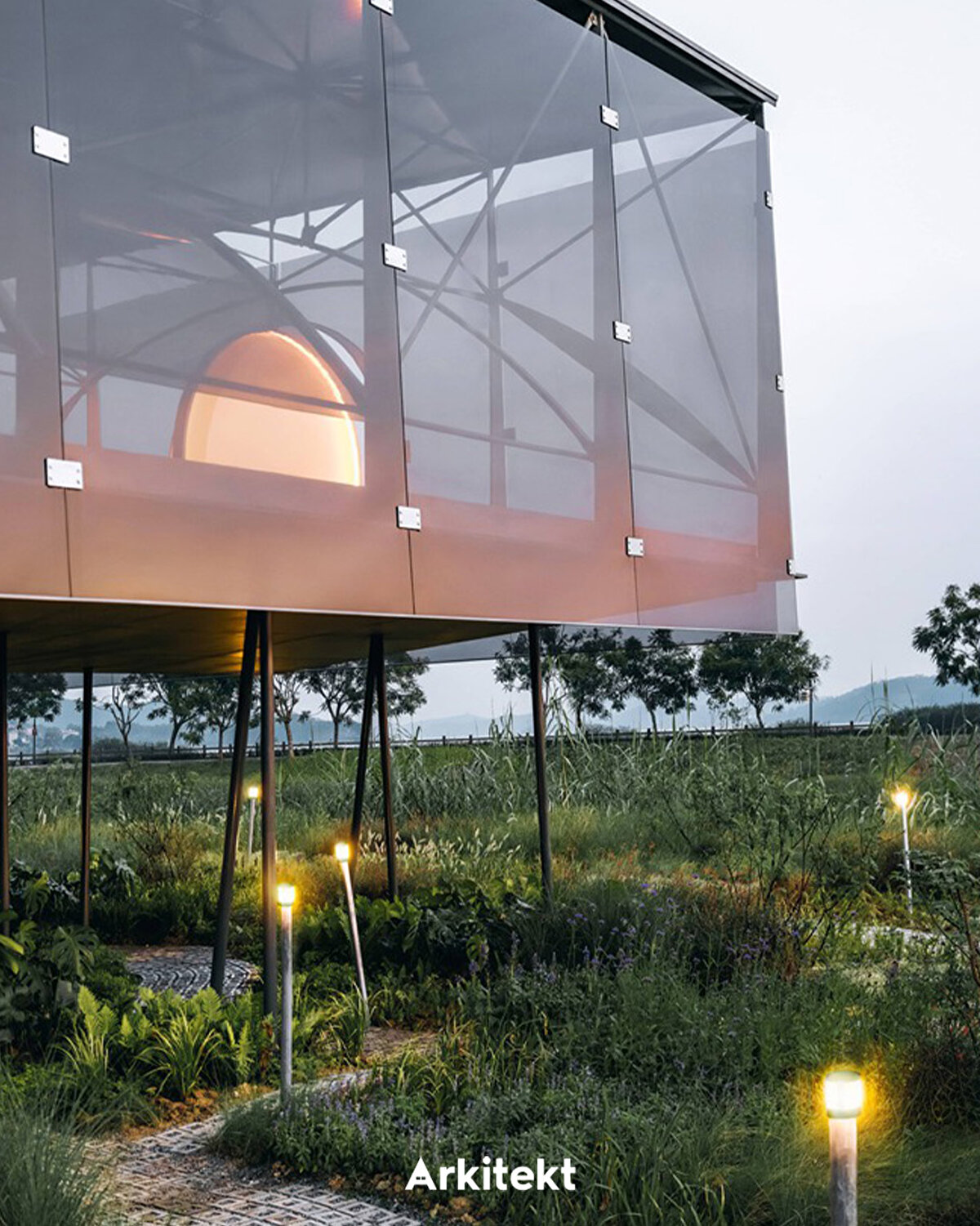


Eski bir seradan dönüştürülen Moon Pavilion, yarı geçirgen kabuğuyla öne çıkıyor

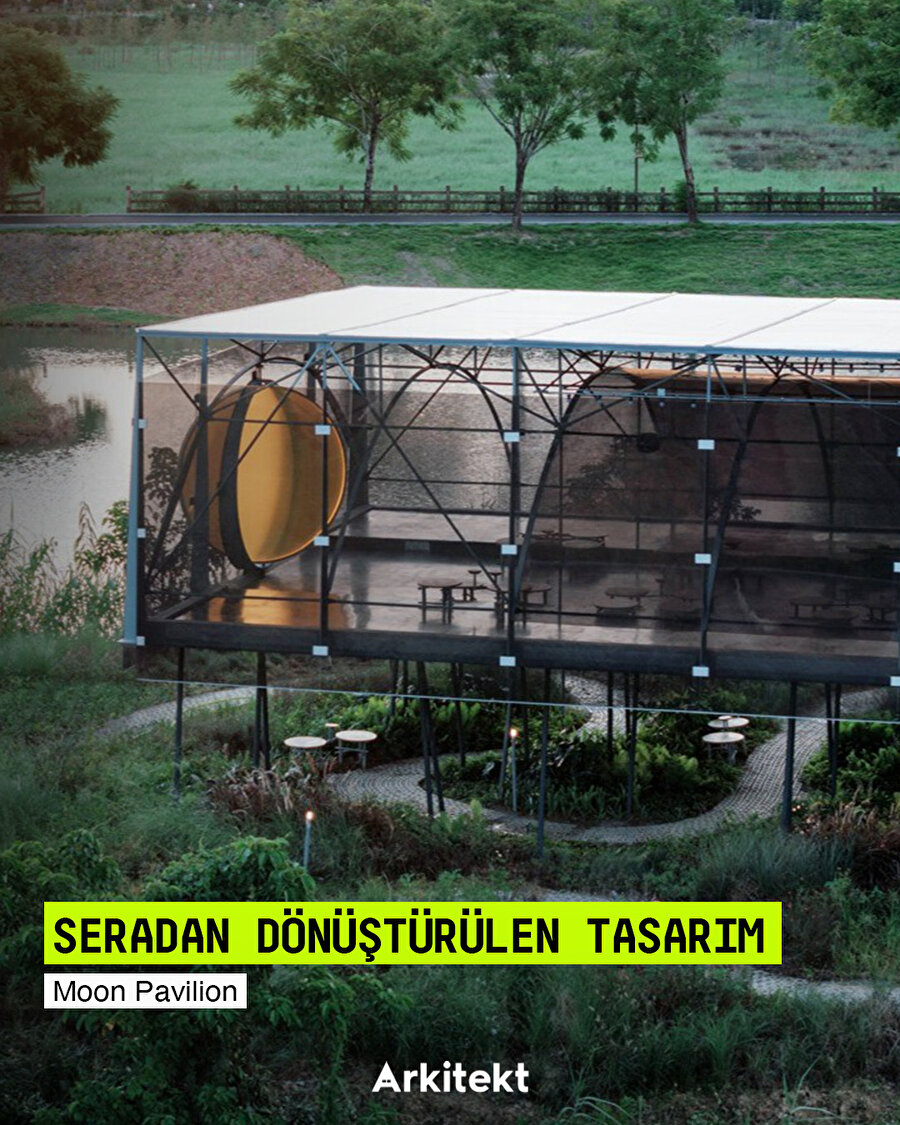
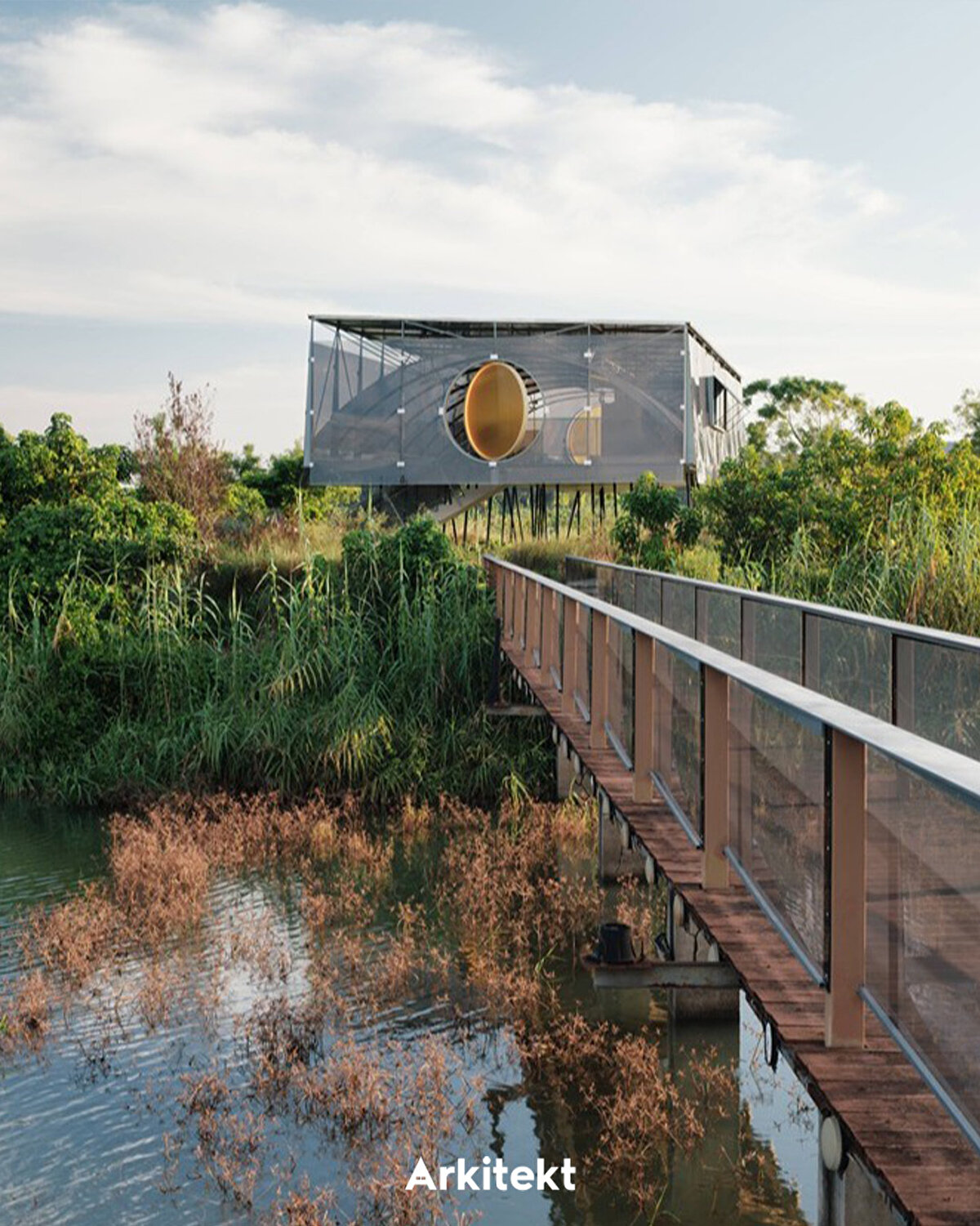
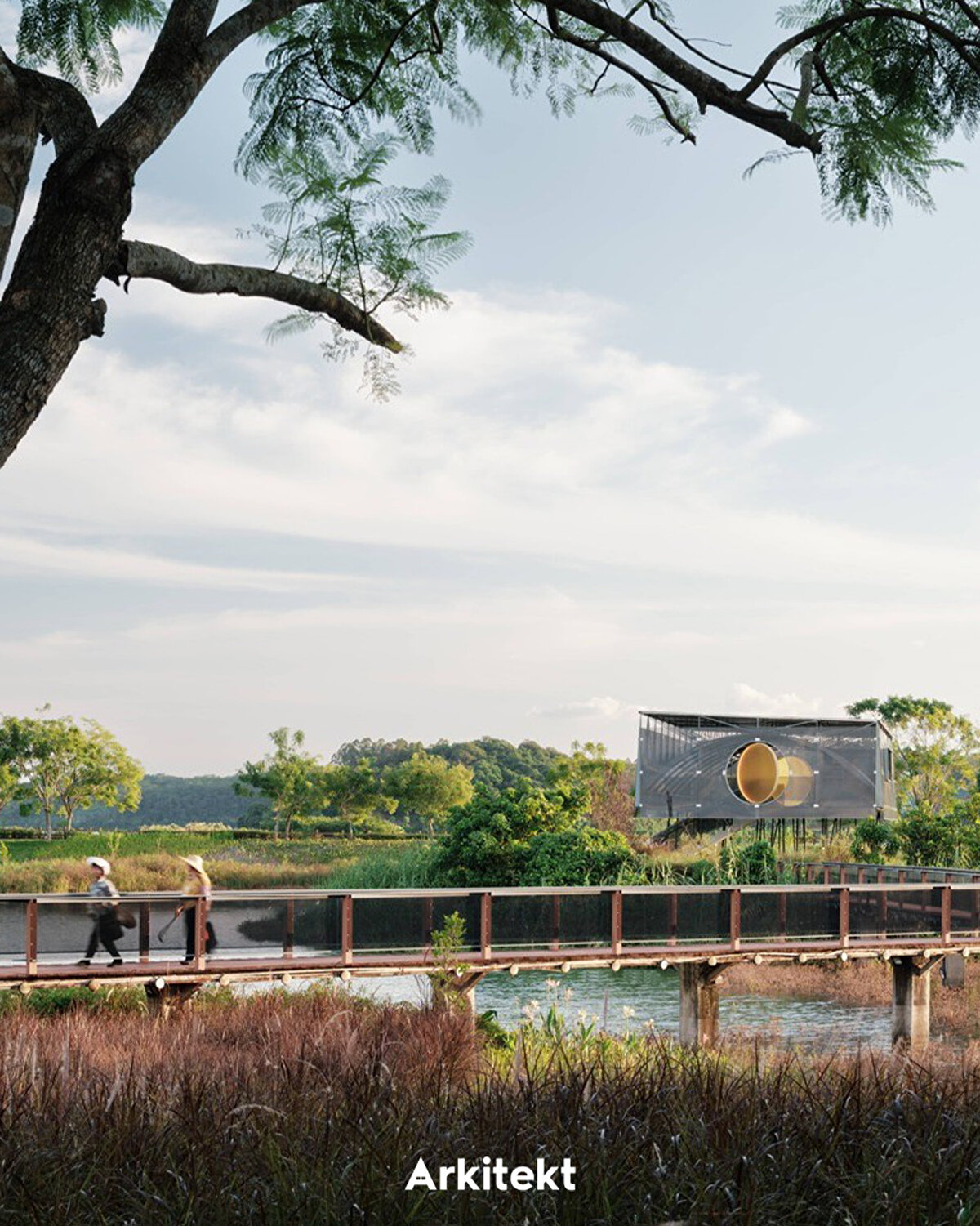
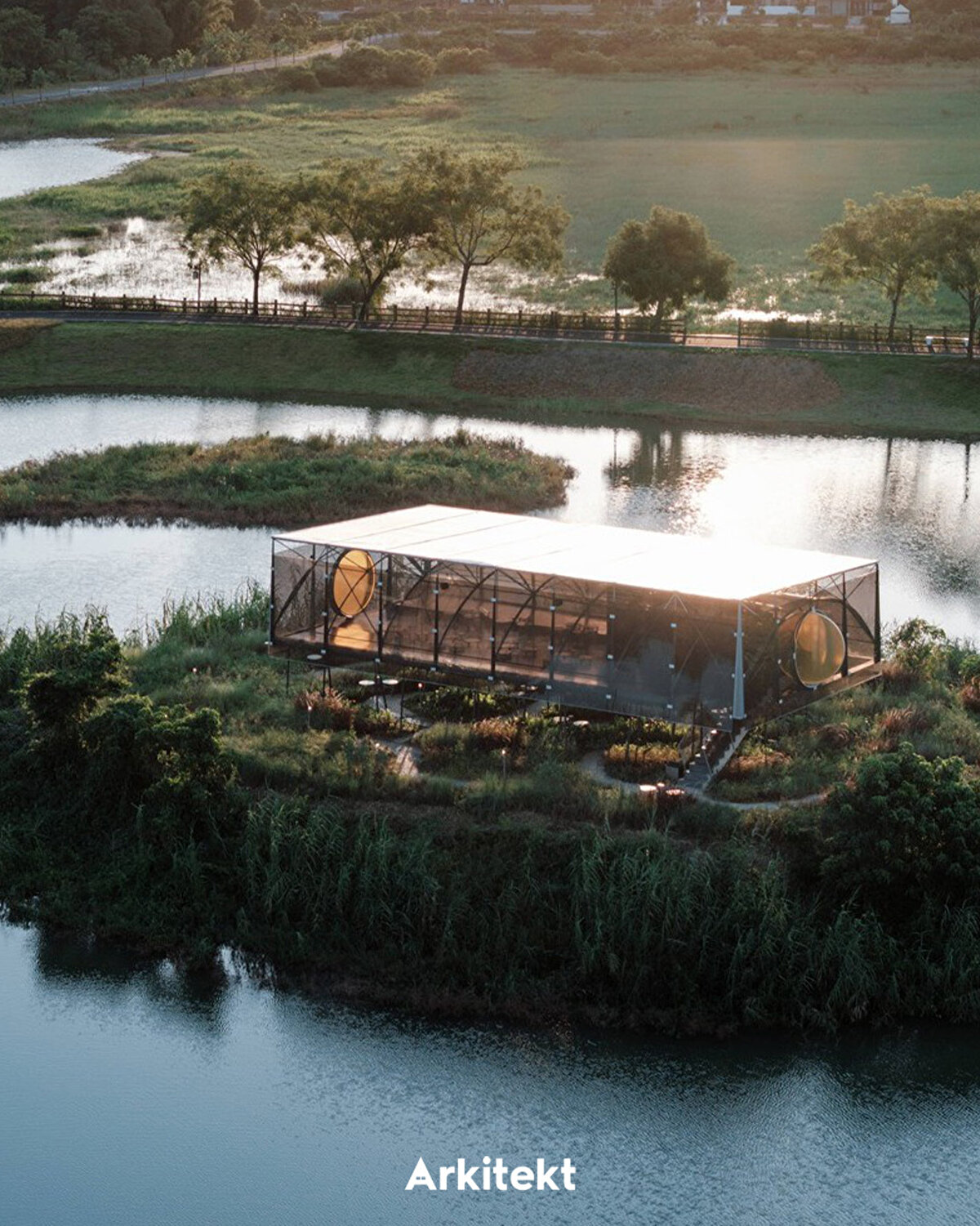
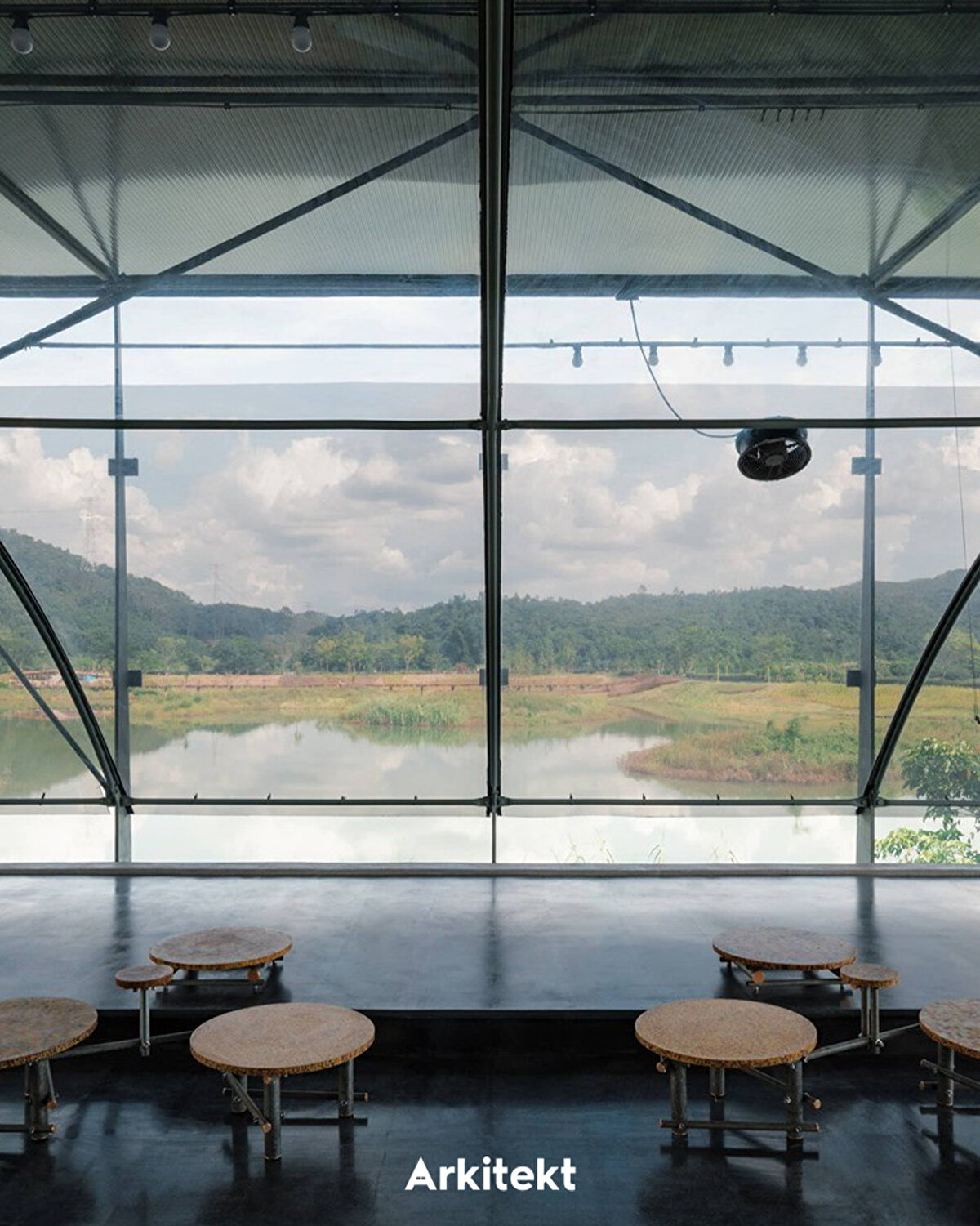
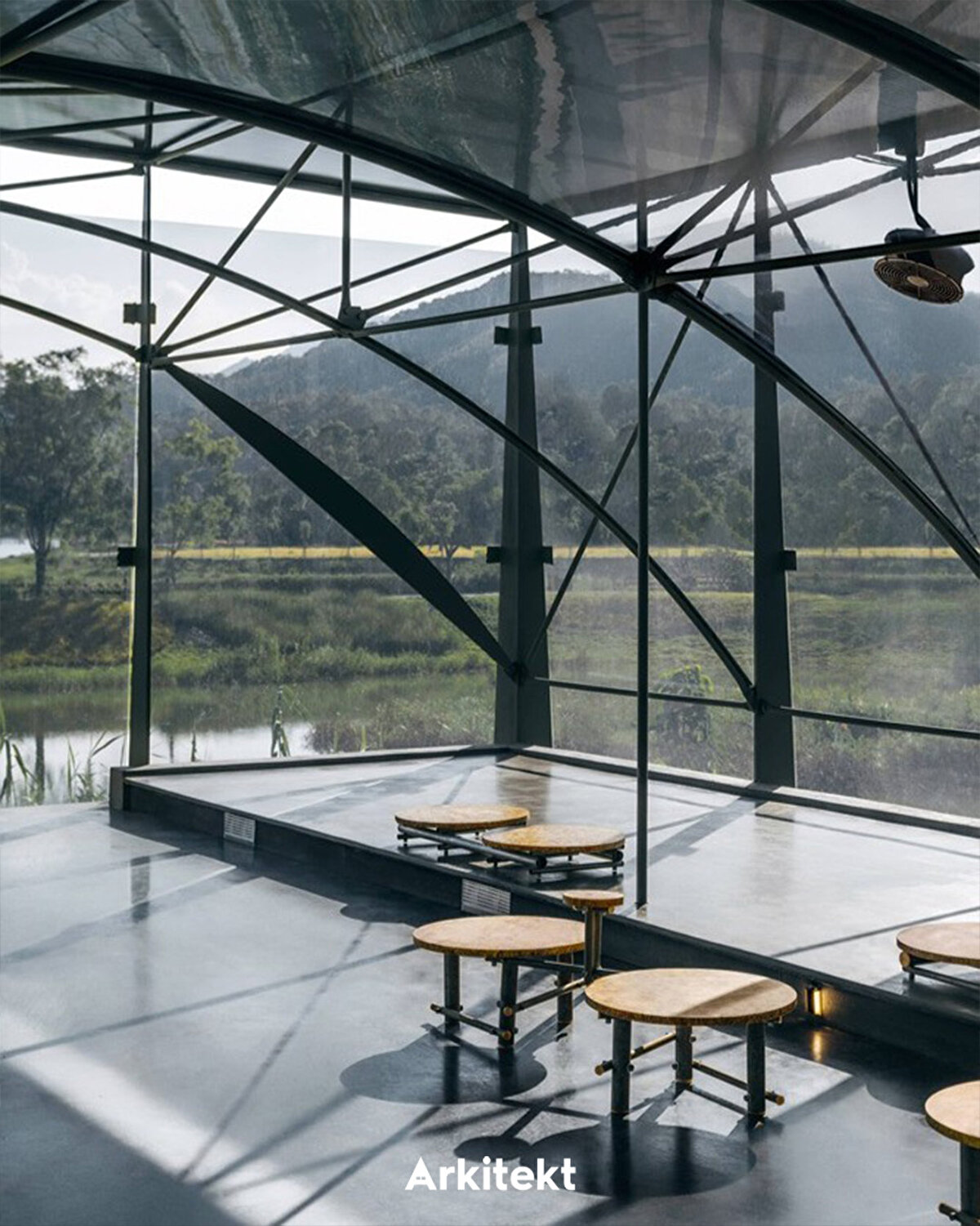
Atelier Guo tarafından Huizhou'da tasarlanan Moon Pavilion, 2025 yılında tamamlanan 120 metrekarelik bir kamusal yapı olarak, terk edilmiş bir seranın dönüştürülmesiyle yeniden işlev kazanıyor. Tasarım, seranın hafif çelik strüktürünü ve geçici karakterini koruyarak, “ay", “su" ve “tekne" kavramlarını mekânsal soyutlamalar aracılığıyla mimari biçime dönüştürüyor. Polikarbonat panellerle tanımlanan cephe, geçirgenlik ve yansıma arasındaki ilişkiyi güçlendiriyor; iç ve dış mekân sınırını yarı saydam bir yüzey kurgusuyla tanımlıyor
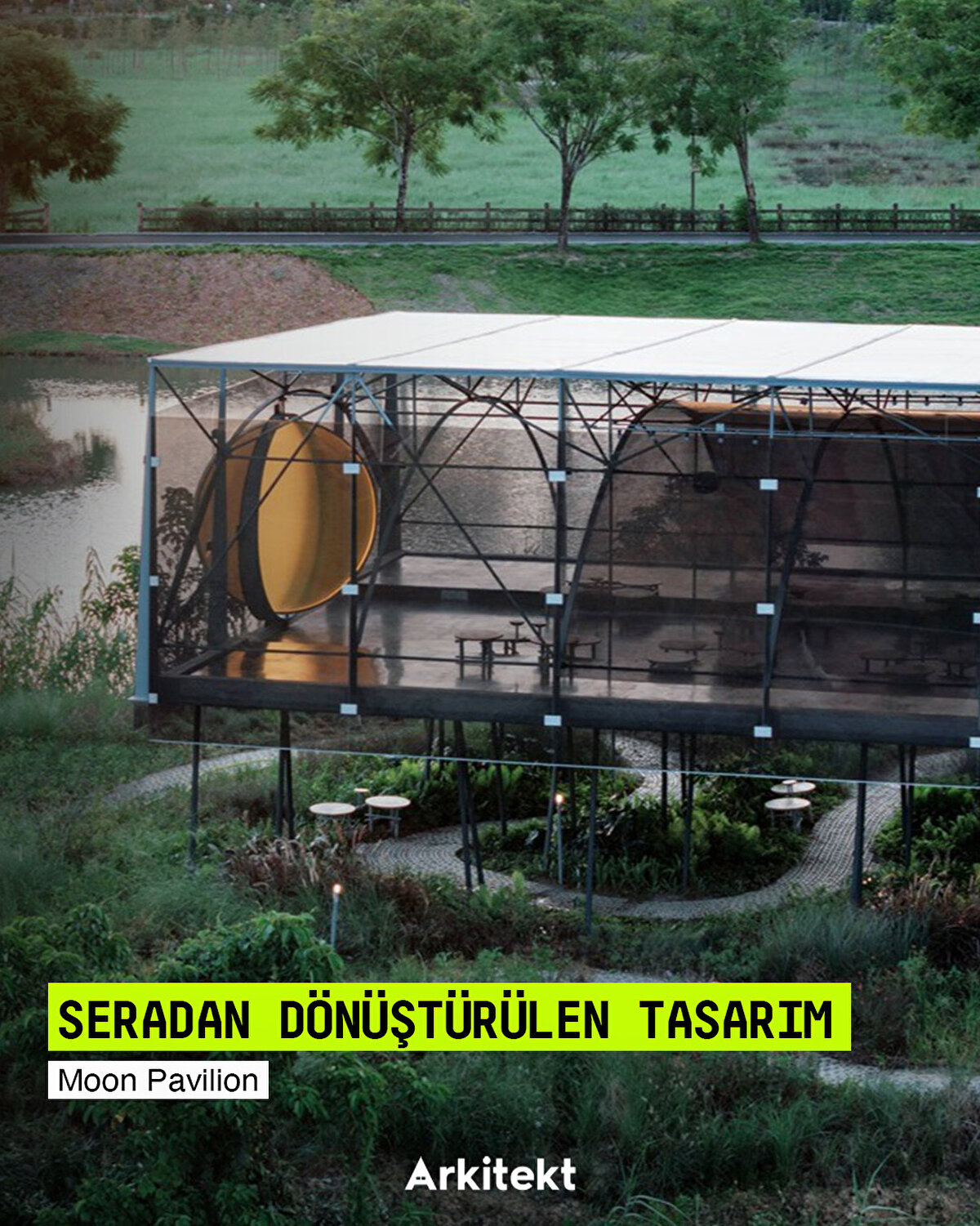
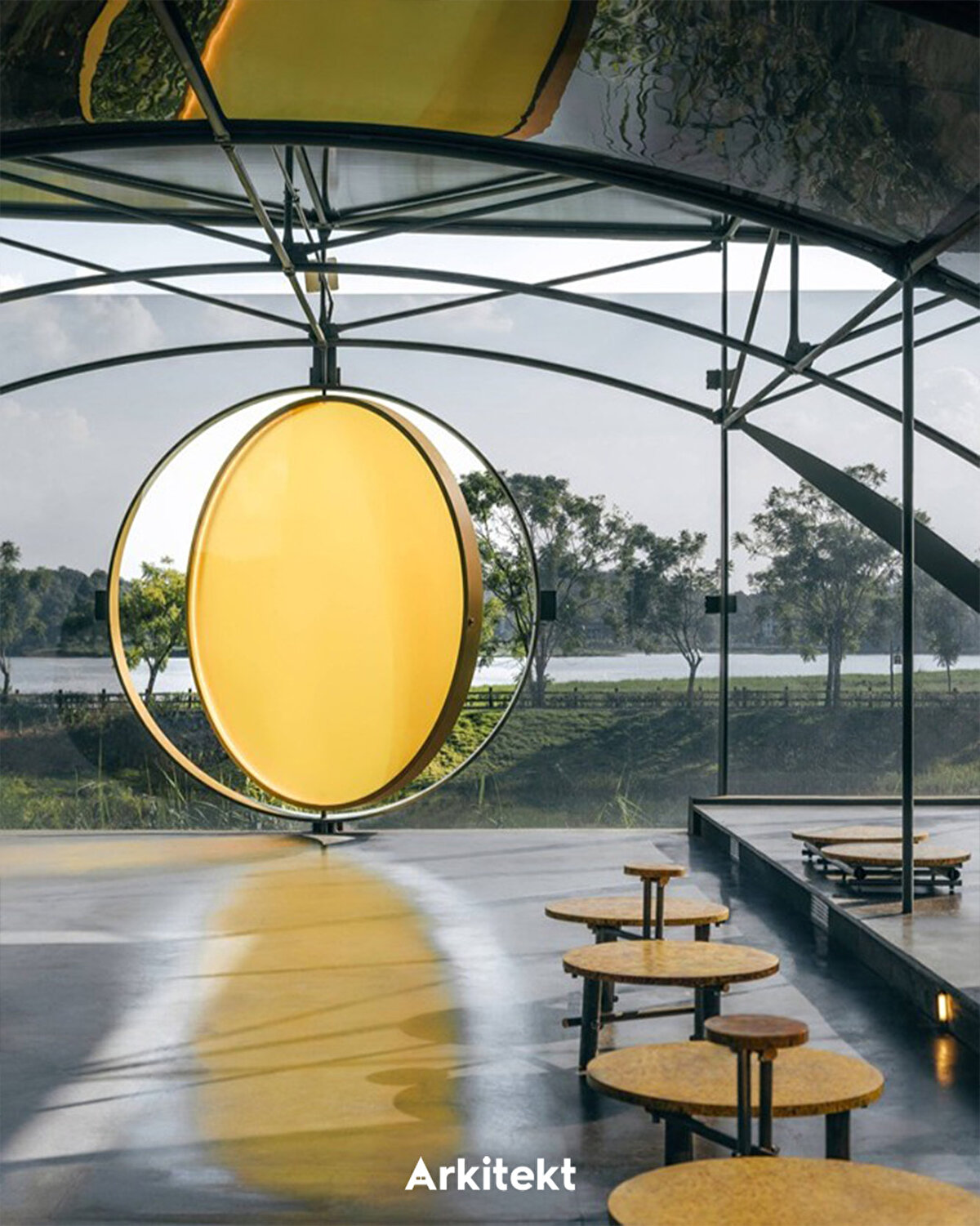
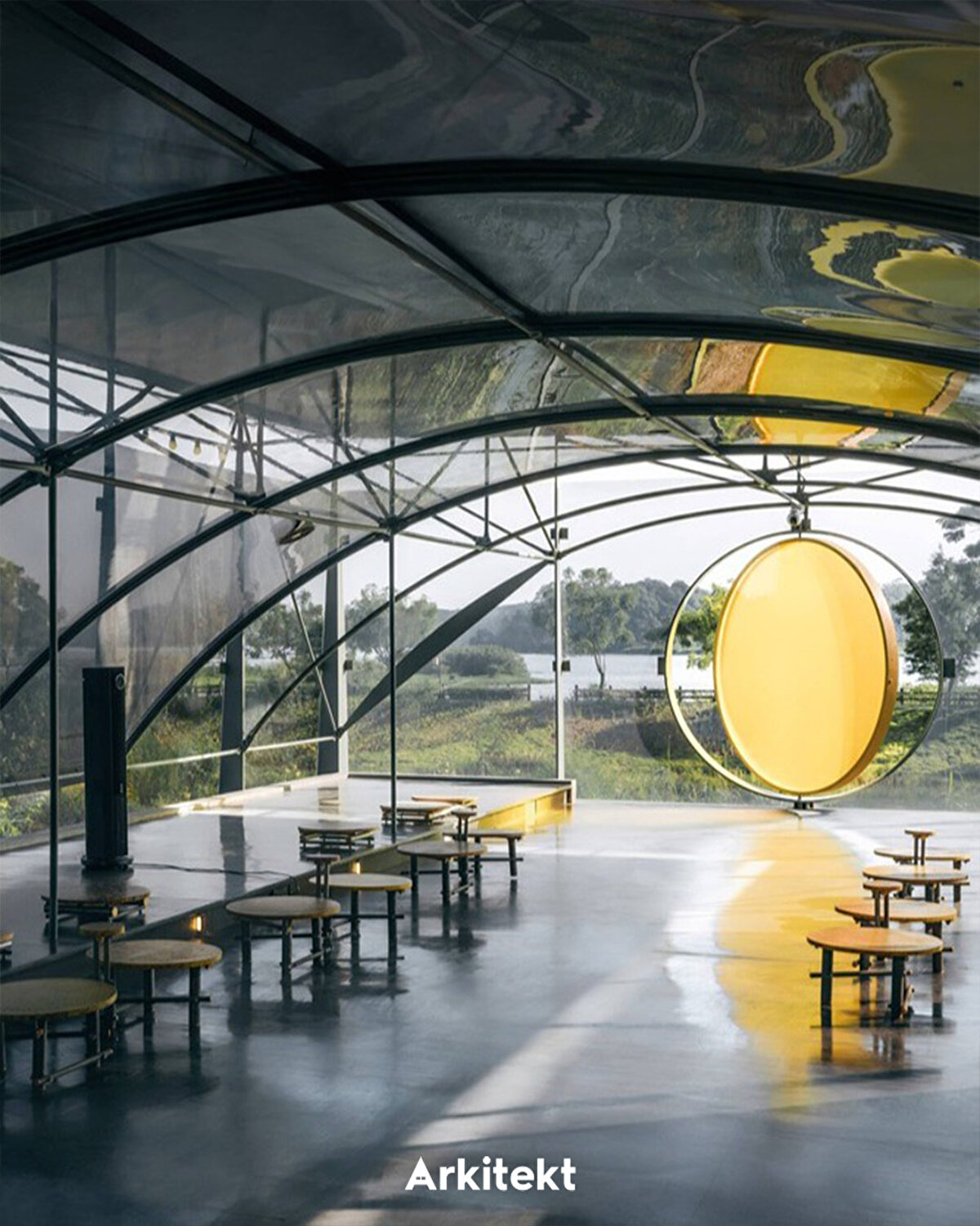
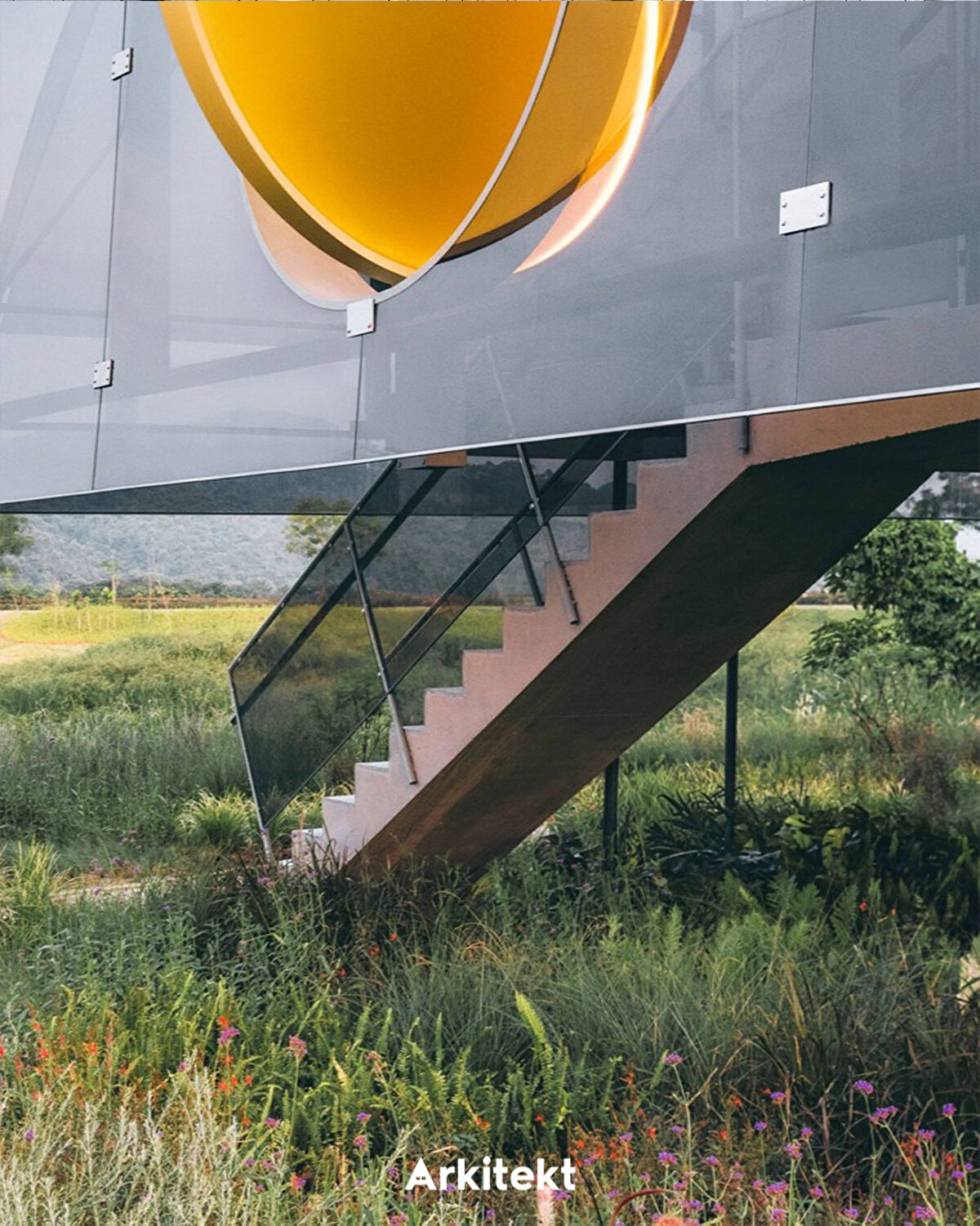
İki katlı yeni düzenleme, zemin katın boşaltılması ve üst katın suya yönelmesiyle tekne formunu öne çıkarıyor. Beton döşeme, çelik kolonlarla desteklenerek yapısal dengeyi sağlıyor. Yarı şeffaf kabuk, gölgeleme, doğal havalandırma ve sisleme sistemleriyle iklimsel konforu pasif biçimde düzenliyor. Yapı, seranın üretim işlevini sürdürürken, tarımsal çevreyle kurduğu geçirgen ilişki üzerinden mekânsal süreklilik oluşturuyor.
__
Converted from an old greenhouse, the Moon Pavilion stands out with its semi-transparent shell
Designed by Atelier Guo in Huizhou, the Moon Pavilion is a 120-square-meter public structure completed in 2025, repurposed from an abandoned greenhouse. The design preserves the greenhouse's lightweight steel structure and temporary character, transforming the concepts of “moon," “water," and “boat" into architectural form through spatial abstractions. The facade, defined by polycarbonate panels, enhances the relationship between permeability and reflection, defining the boundary between interior and exterior spaces with a semi-transparent surface.
The two-story new arrangement highlights the boat form by emptying the ground floor and orienting the upper floor toward the water. The concrete flooring, supported by steel columns, provides structural balance. The semi-transparent shell passively regulates climatic comfort through shading, natural ventilation, and misting systems. While maintaining the greenhouse's production function, the structure creates spatial continuity through its permeable relationship with the agricultural environment.
Photographs:Hao Chen, Yumeng Zhu
1-10
2-10
3-10
4-10
5-10
6-10
7-10
8-10
9-10
10-10