

İmam Gazâlî’nin ‘kâinatın katlanması’ yorumu, caminin formuna ilham oluyor

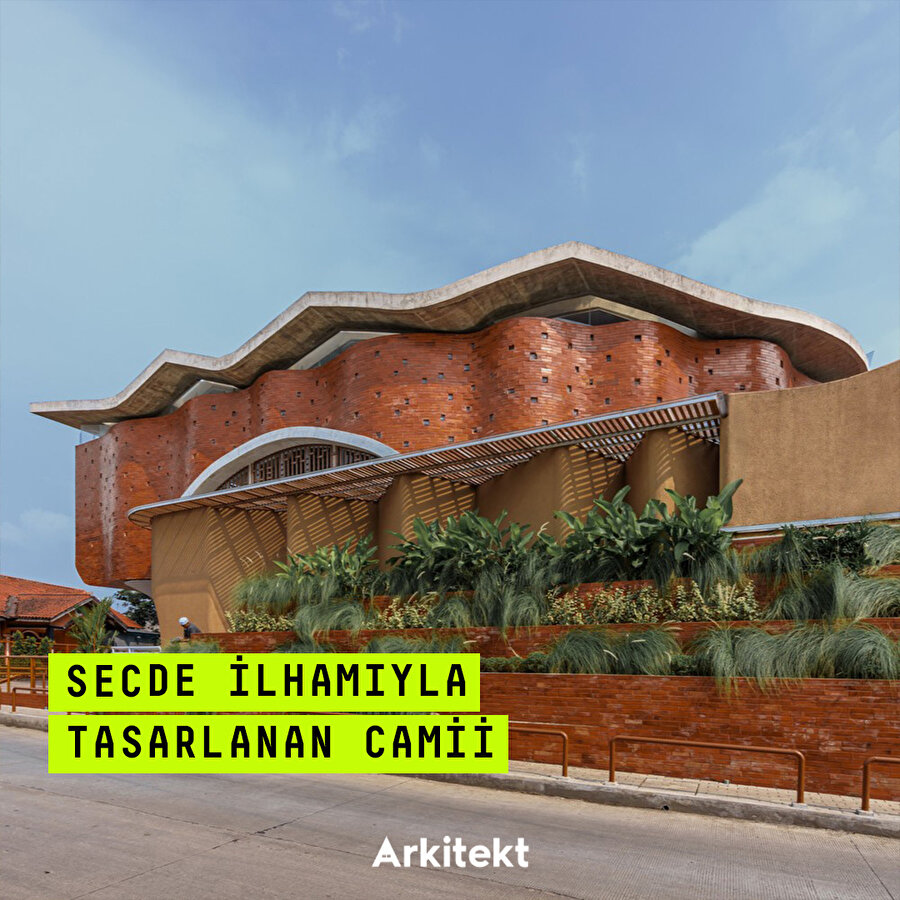
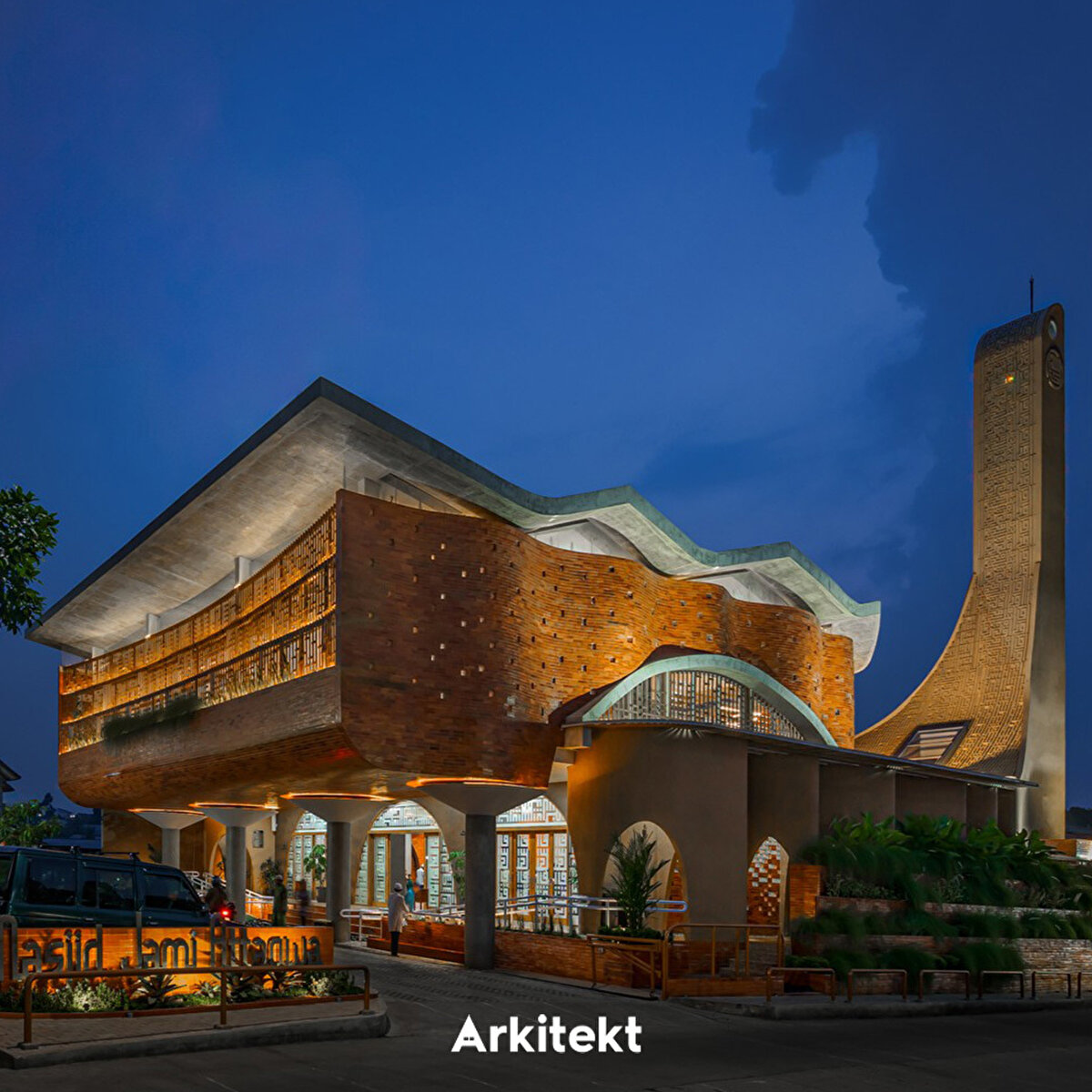
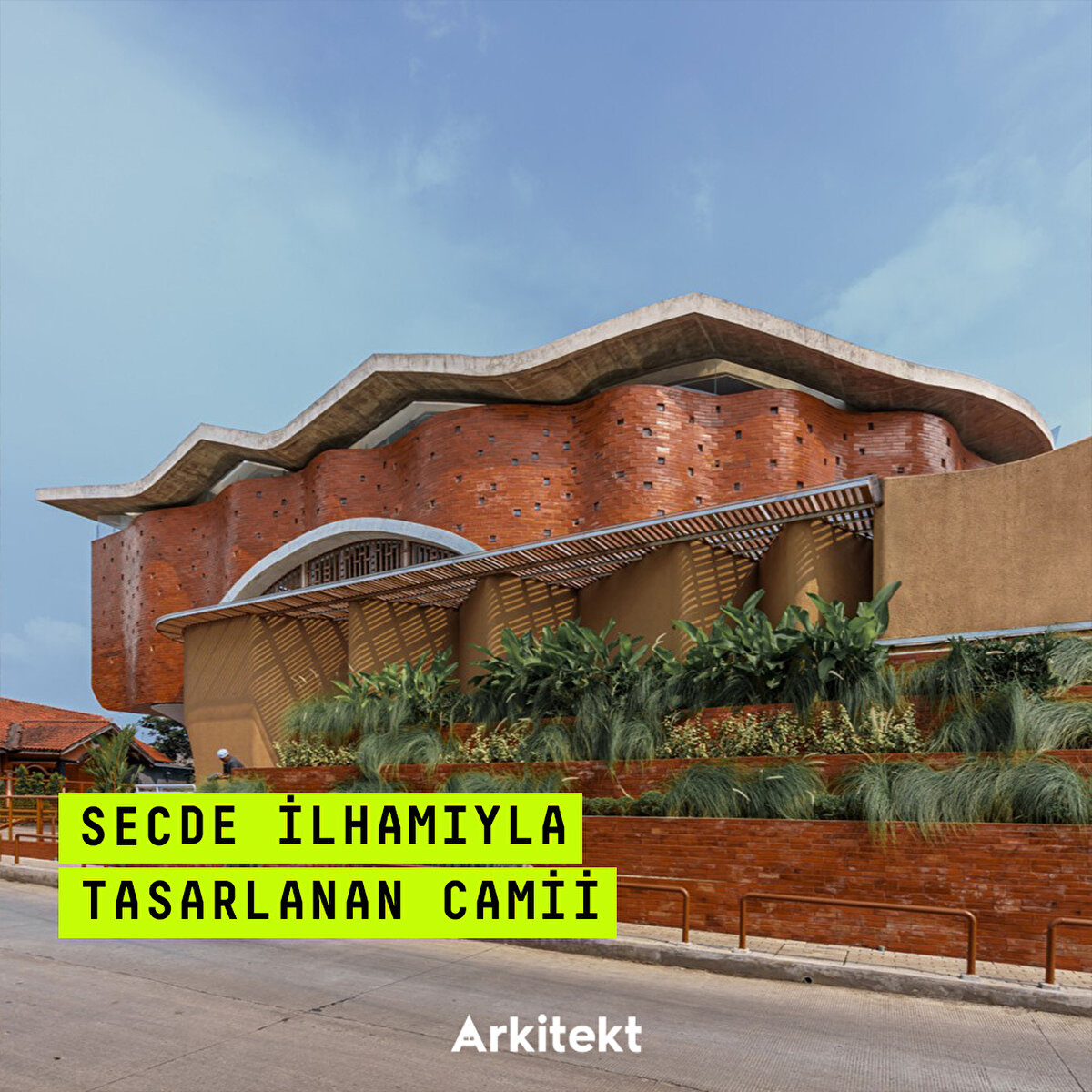
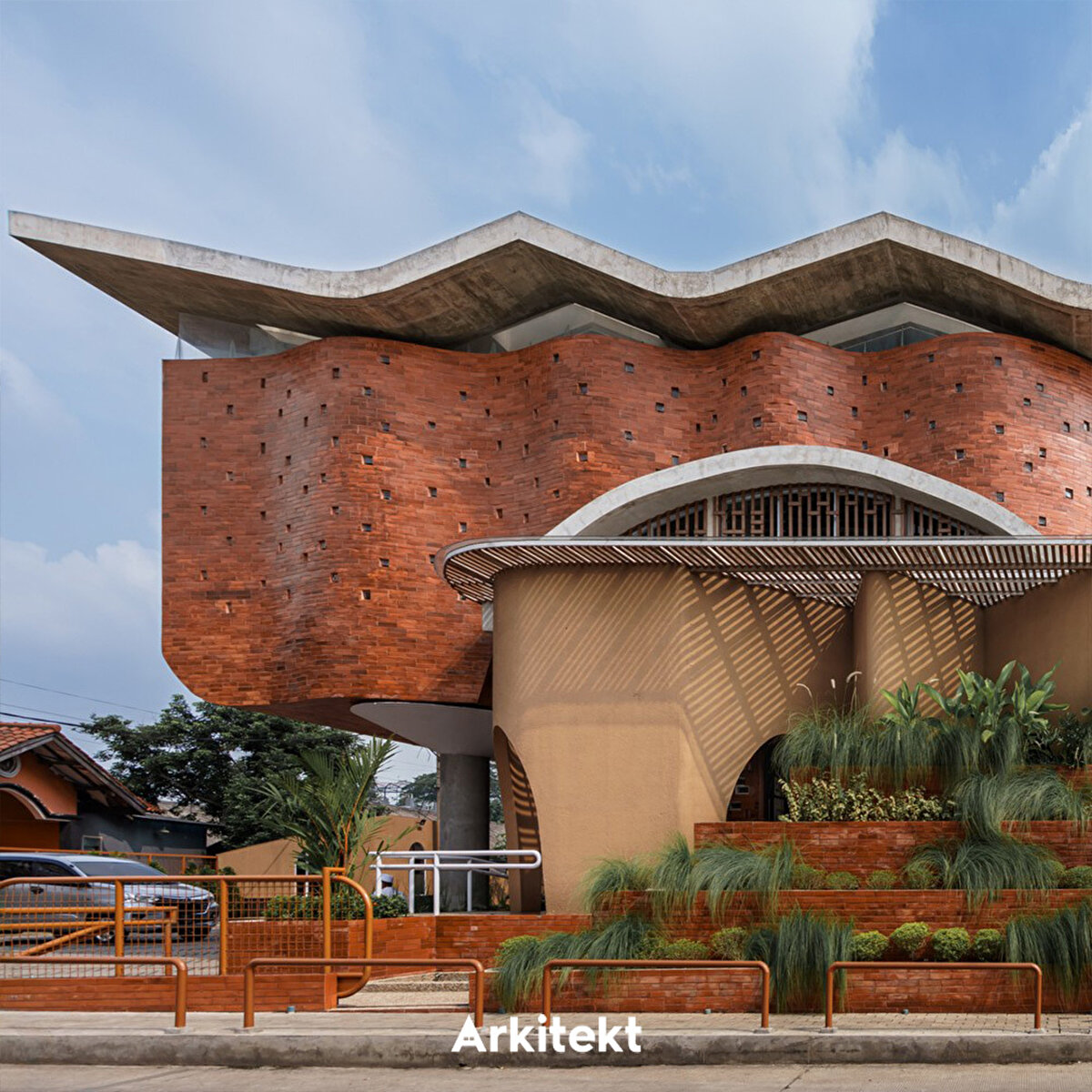
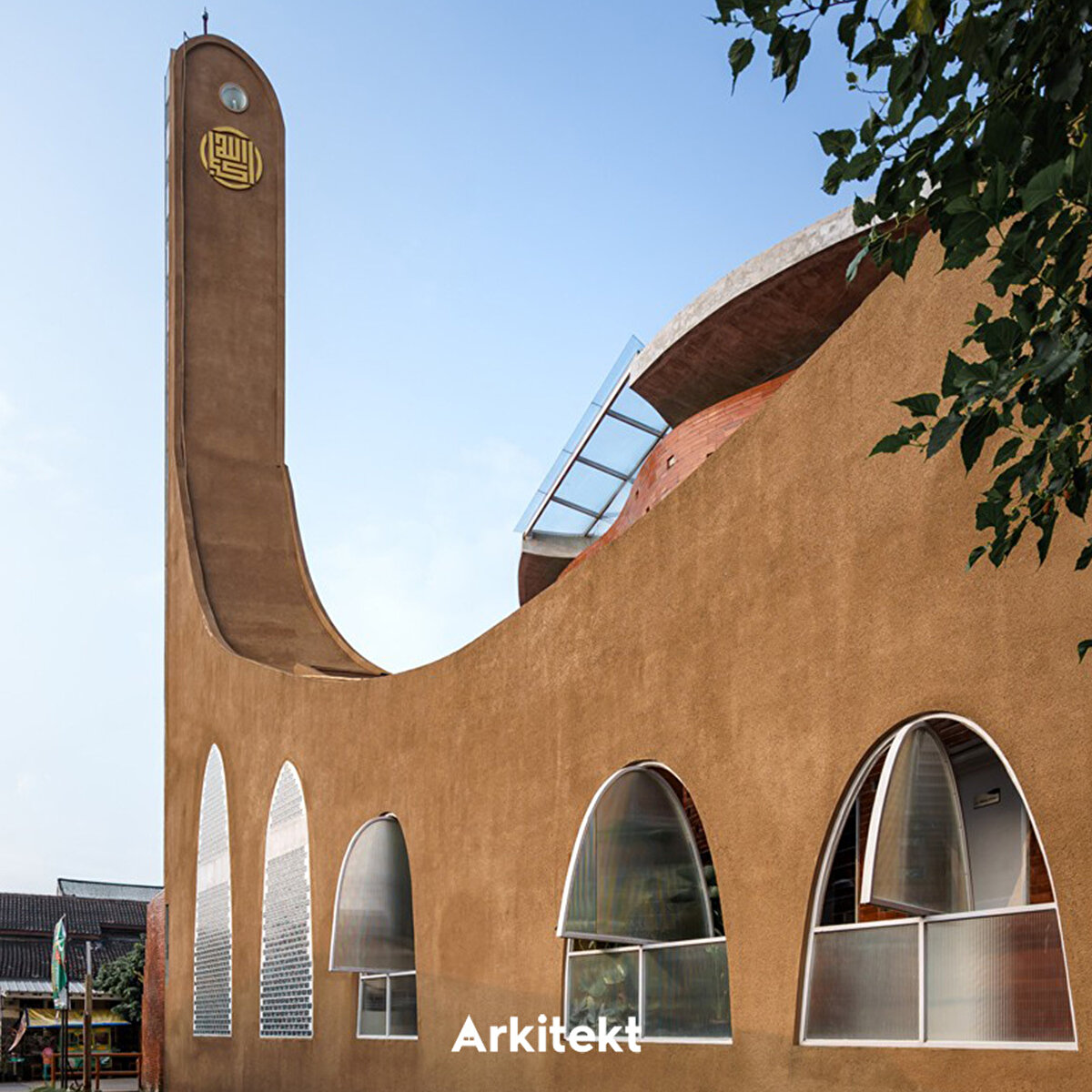
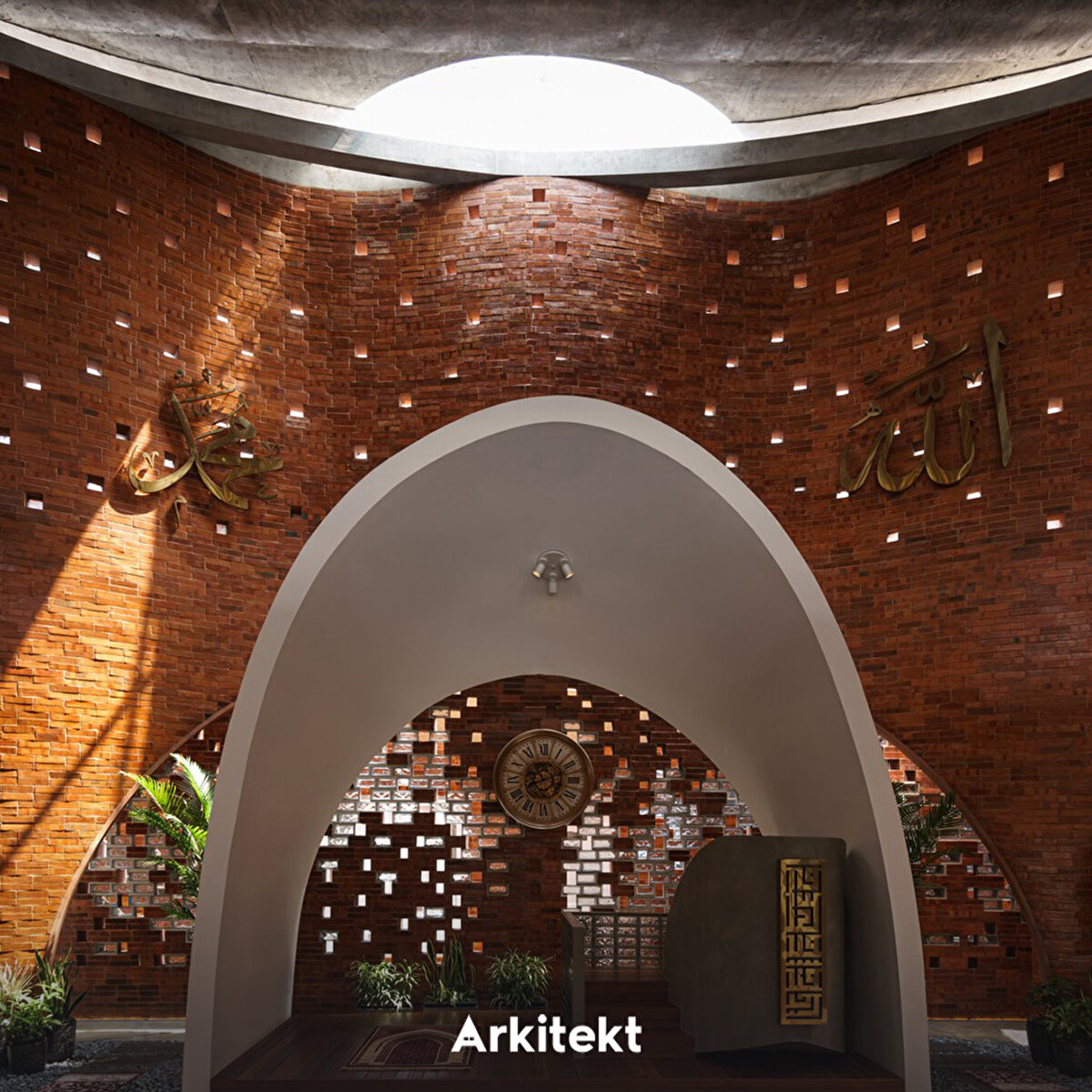
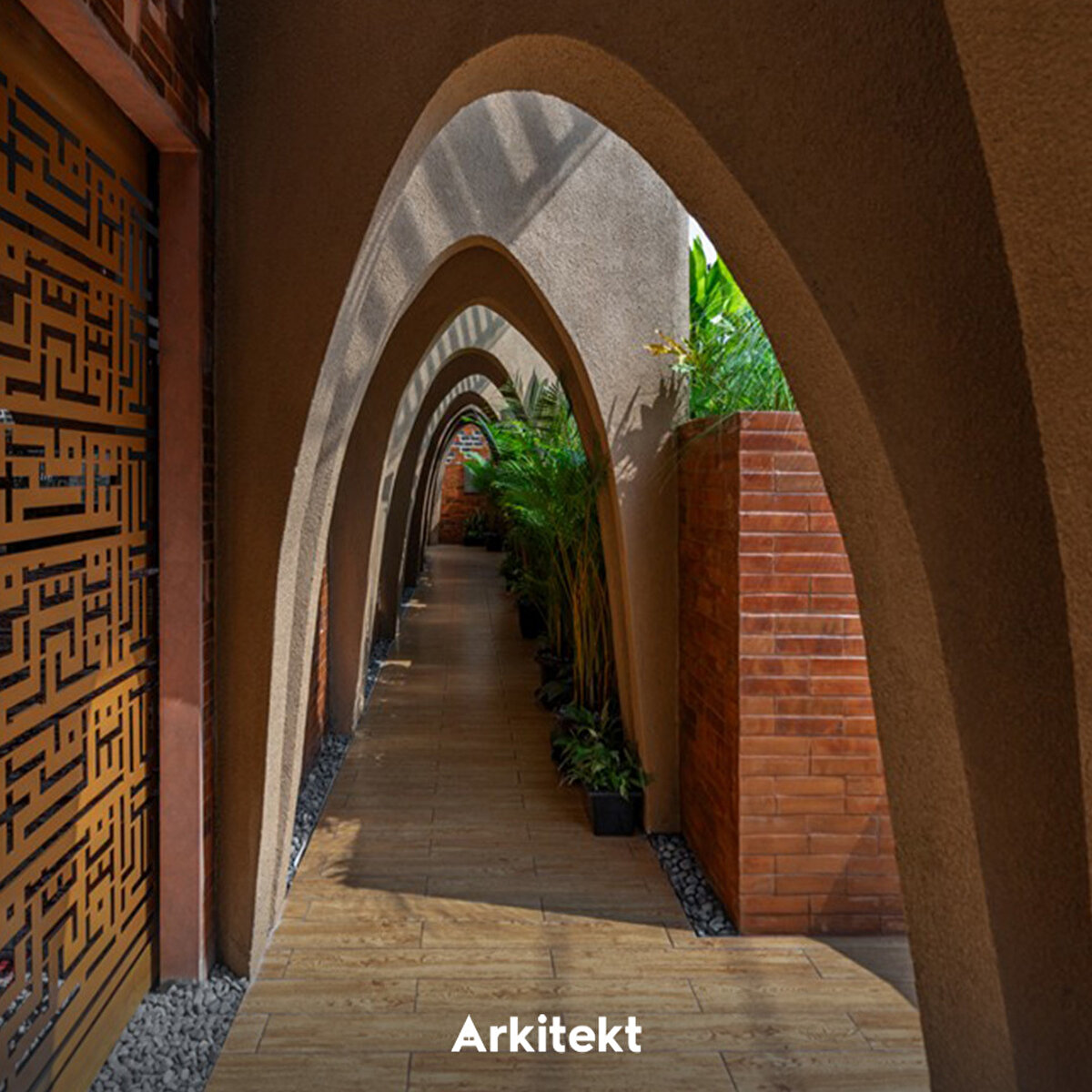
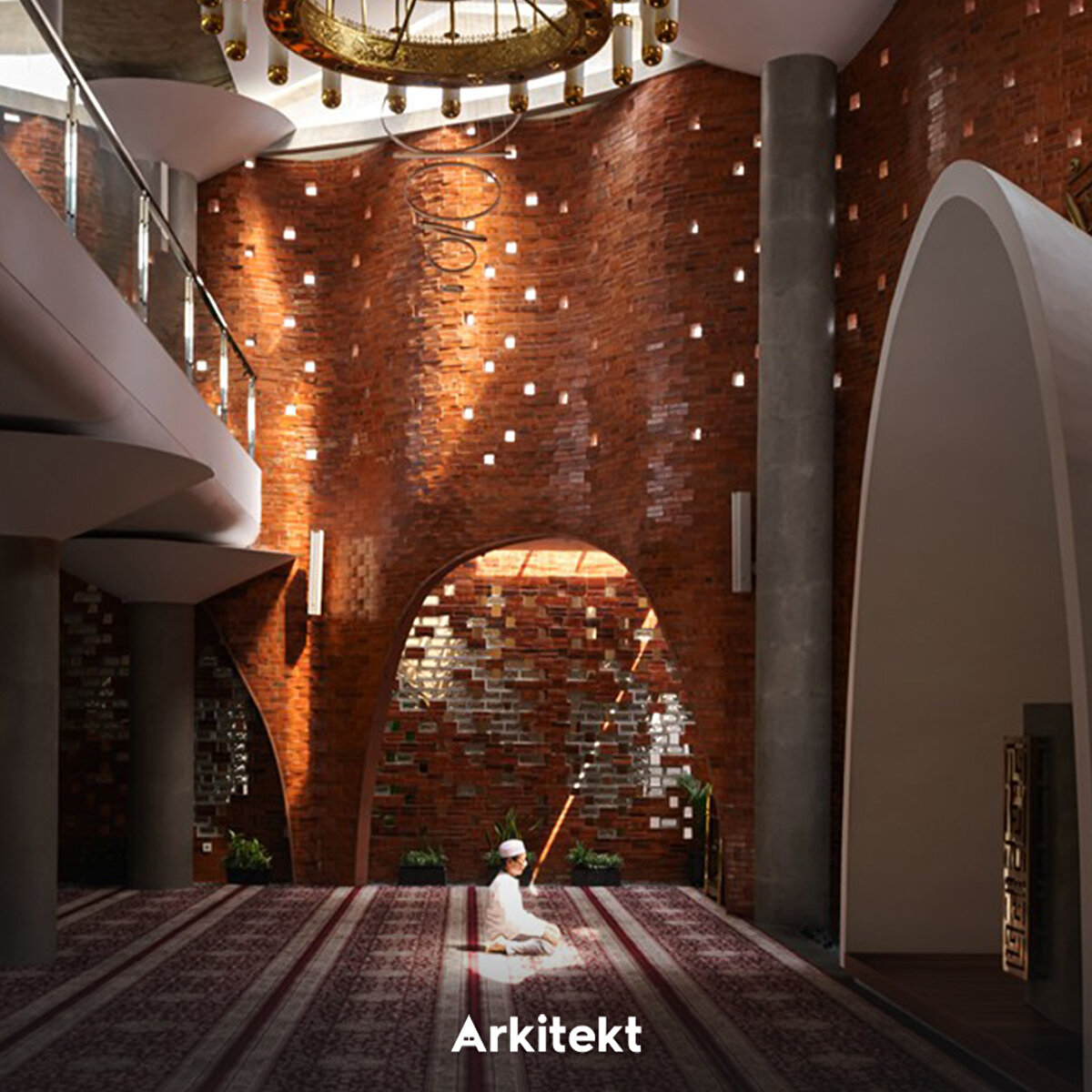
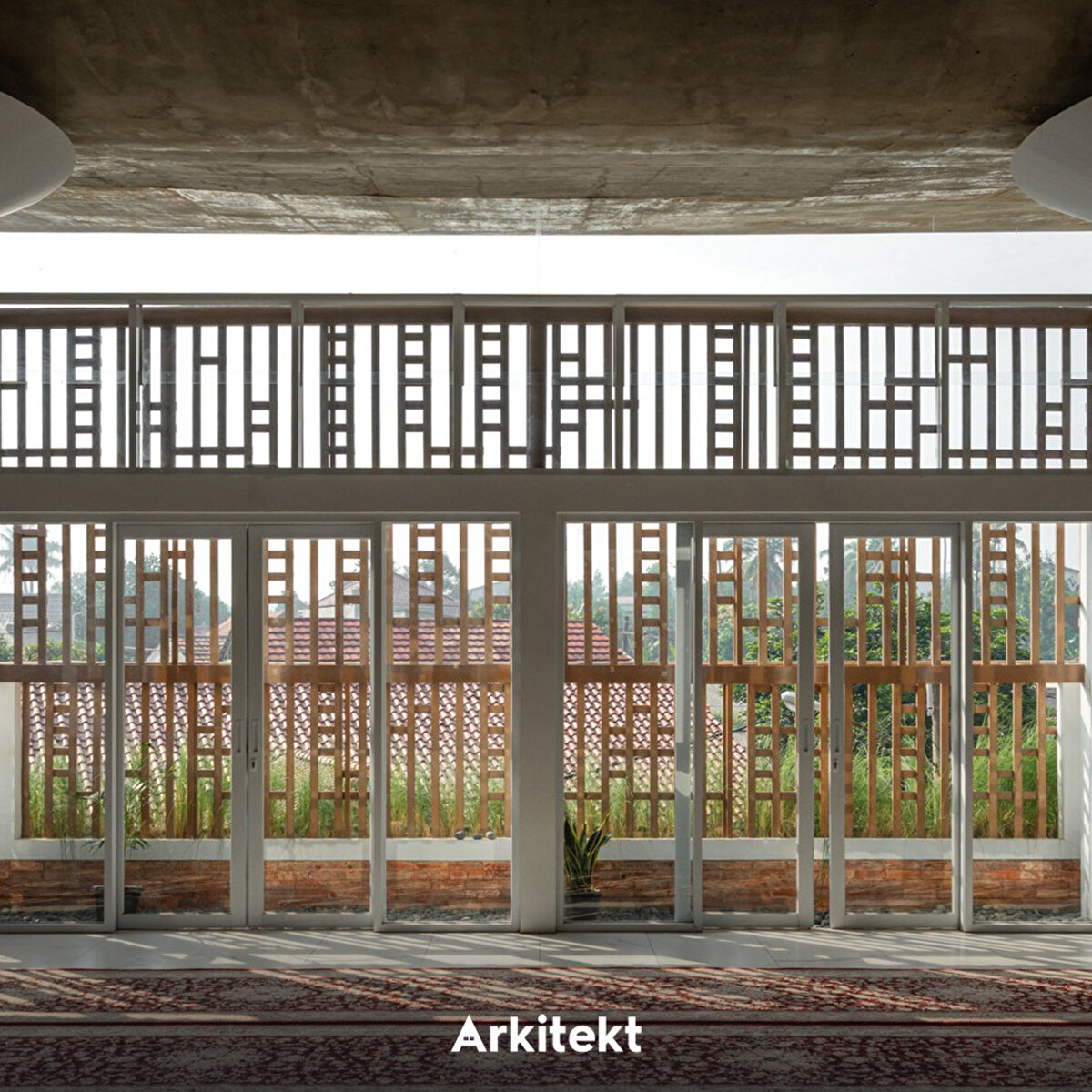
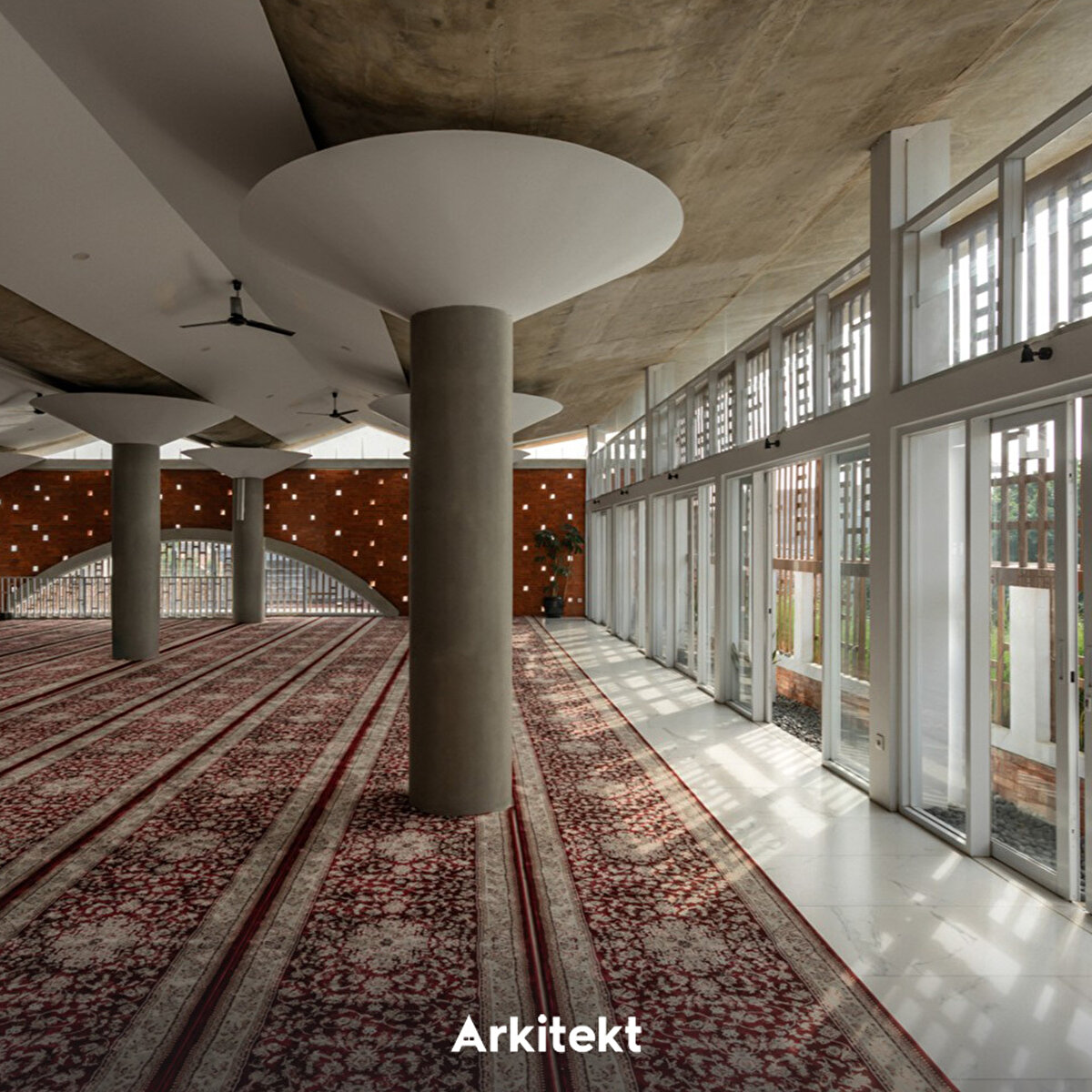
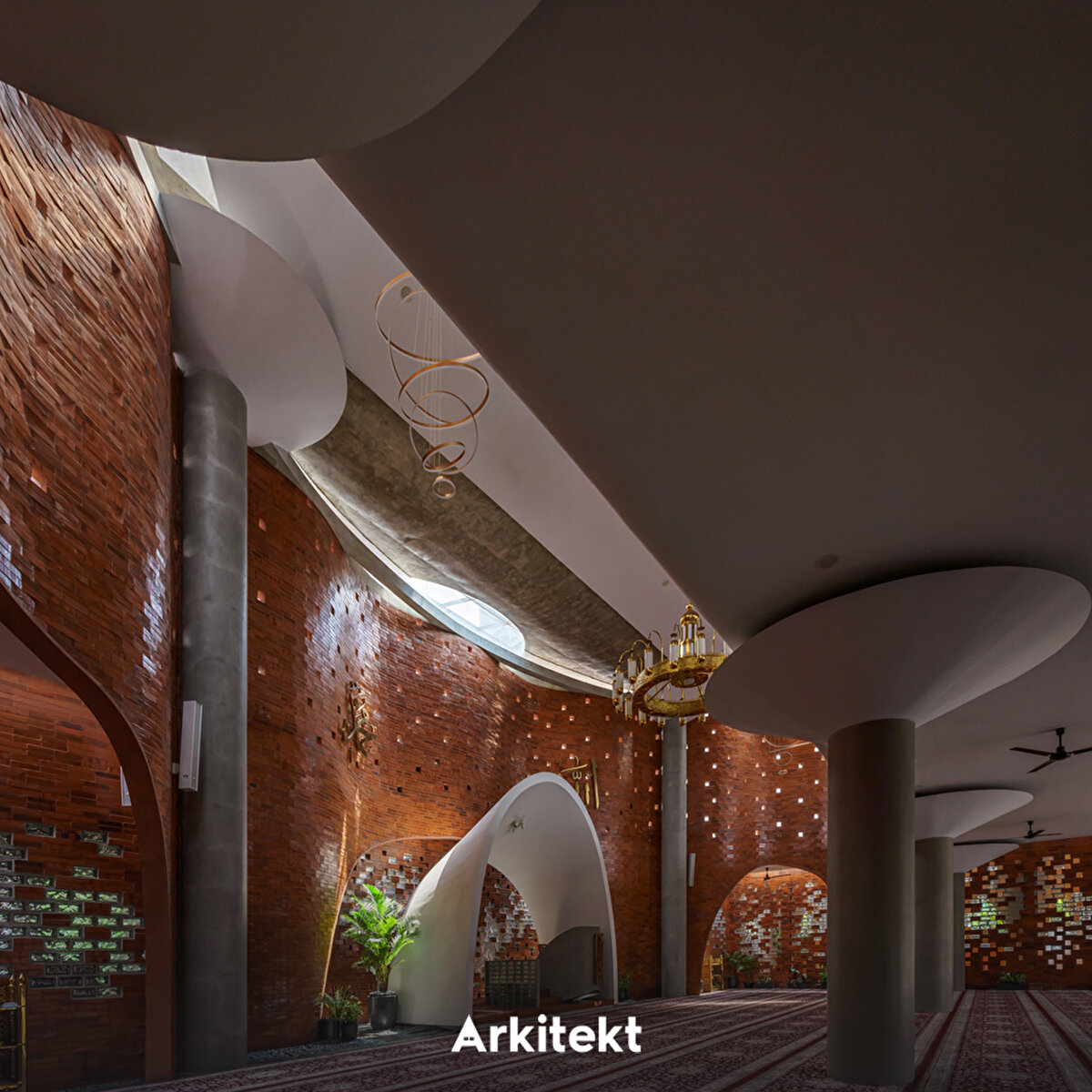
Cibinong Takva Camii (Jami At-Taqwa Mosque, Cibinong) tasarımı, “secde" kavramından yola çıkarak mekânsal biçimini bunun üzerinden kurguluyor. İmam Gazâlî'nin secdeyi “kâinatın katlanması" olarak tanımlayan yaklaşımı, yapının ana metaforunu oluşturuyor. Cephede ve strüktürde kullanılan “katlanma" hareketi, Allah'a yakınlaşma fikrini mekâna taşıyor. Yoğun bir cadde üzerinde konumlanan yapı, revaklı bir geçiş alanı ve yeşil tampon çitlerle ibadet mekânını gürültüden ve tozdan koruyor. Revak, aynı zamanda abdest alanlarına ulaşımı sağlıyor ve kadın-erkek sirkülasyonunu mekânsal olarak ayırıyor. Kıble ekseni üzerinde konumlanan minare, cephe dilini yukarıya taşıyarak yön ve ibadet vurgusunu güçlendiriyor. Malzeme seçiminde delikli tuğla ve açıkta bırakılmış beton kullanılarak, doğal havalandırma ve sade bir mekânsal atmosfer elde ediliyor.
-
The design of the Cibinong Taqwa Mosque (Jami At-Taqwa Mosque, Cibinong) derives its spatial form from the concept of sujud (prostration), shaping the architecture around its spiritual meaning. Imam Ghazali's approach, which defines prostration as “the folding of the universe," forms the main metaphor of the structure. The “folding" movement used in the facade and structure conveys the idea of closeness to Allah to the space. Located on a busy street, the structure protects the worship space from noise and dust with a porticoed passageway and green buffer fences. The arcade also provides access to the ablution areas and spatially separates the circulation of women and men. The minaret, positioned on the qibla axis, carries the language of the facade upwards, reinforcing the emphasis on direction and worship. The use of perforated brick and exposed concrete in the material selection achieves natural ventilation and a simple spatial atmosphere.
Architecture: @ismailsolehudinarchitecture
📷: @luil_mn
1-10
2-10
3-10
4-10
5-10
6-10
7-10
8-10
9-10
10-10