

Sovyet dönemi yapısı, Tiflis siluetinde modern mimarinin simges

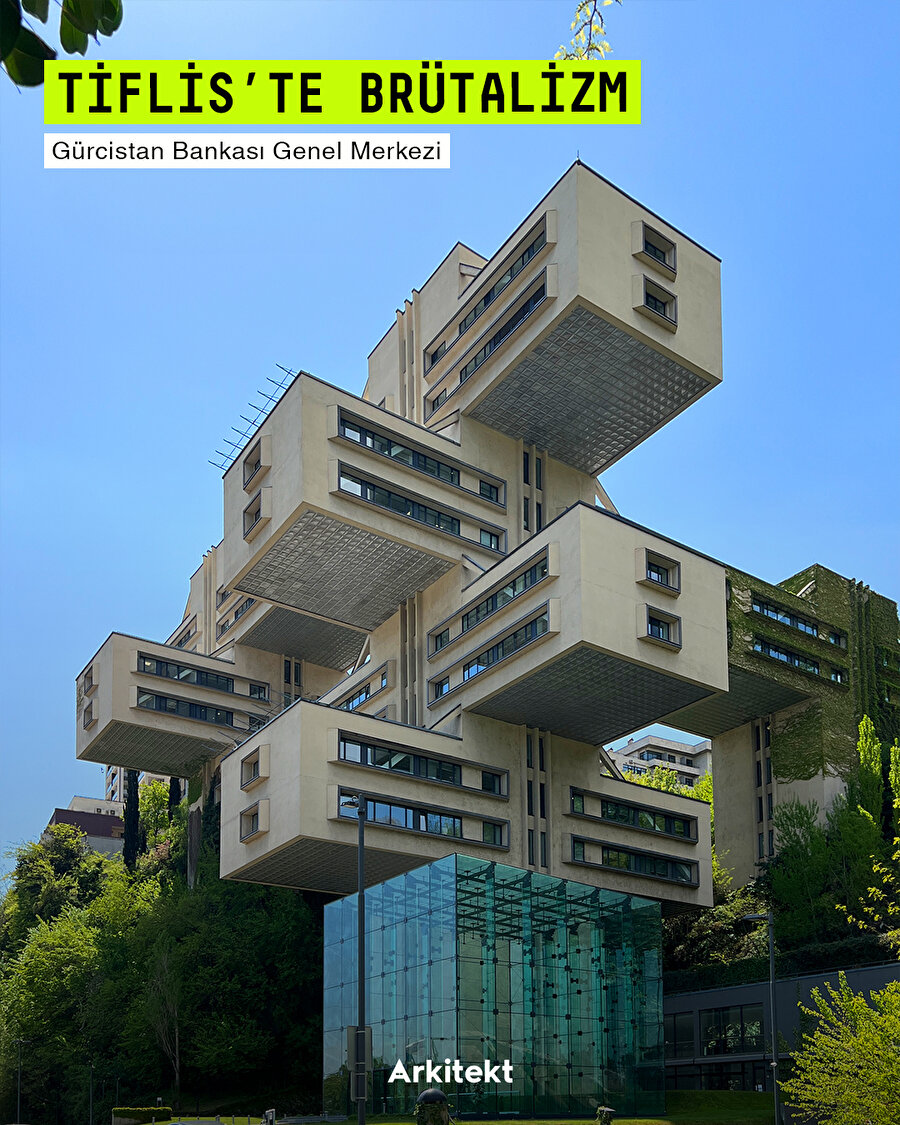
Tiflis'in Kura Nehri kıyısındaki eğimli arazide konumlanan Gürcistan Bankası Genel Merkezi (Bank of Georgia), 1975'te George Chakhava ve Zurab Jalaghania tarafından, o dönem Karayolları Bakanlığı'nın merkez binası olarak tasarlandı. Bugün ise hem ikonik mimarisi hem de ulusal kültürel miras statüsüyle öne çıkıyor.
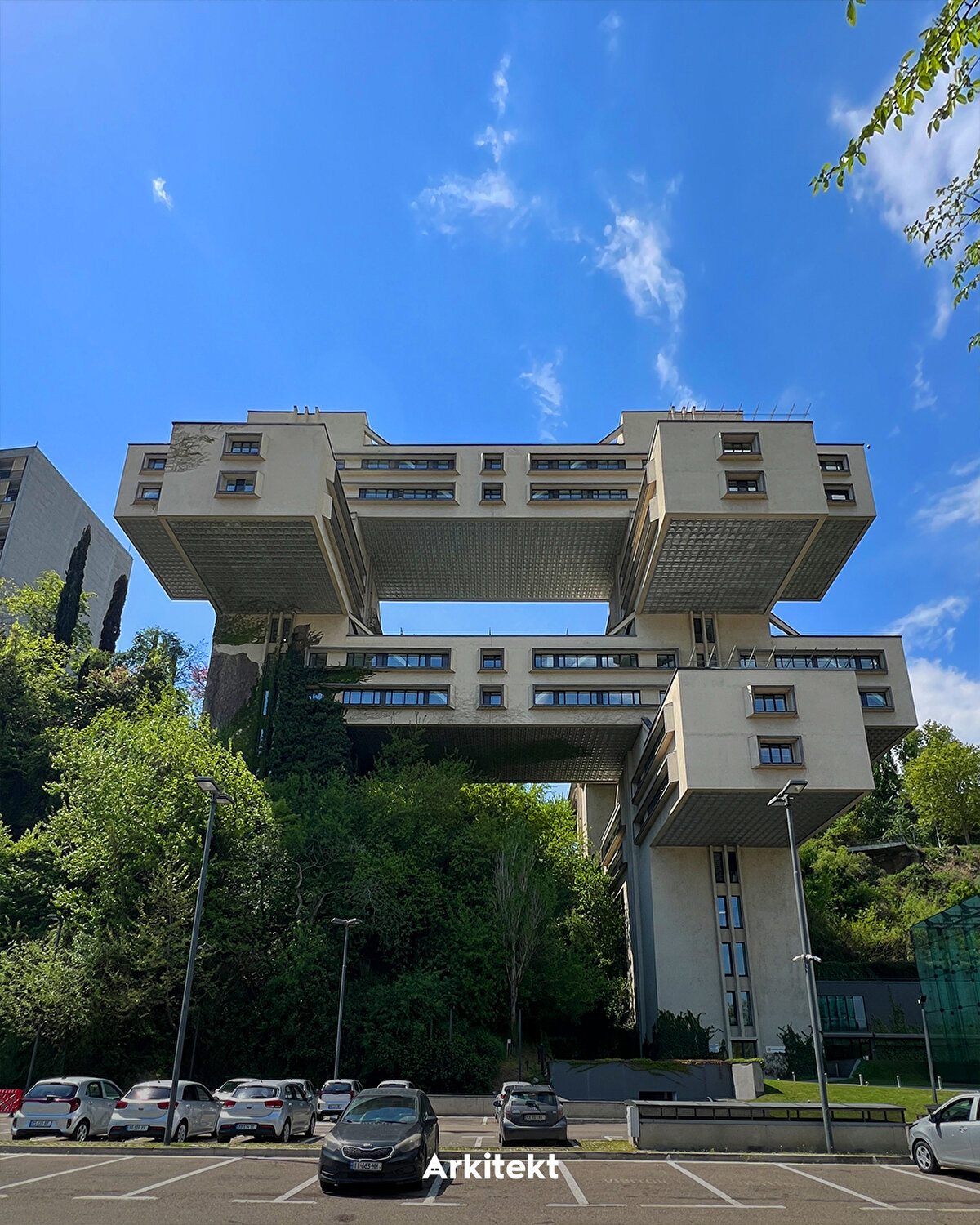
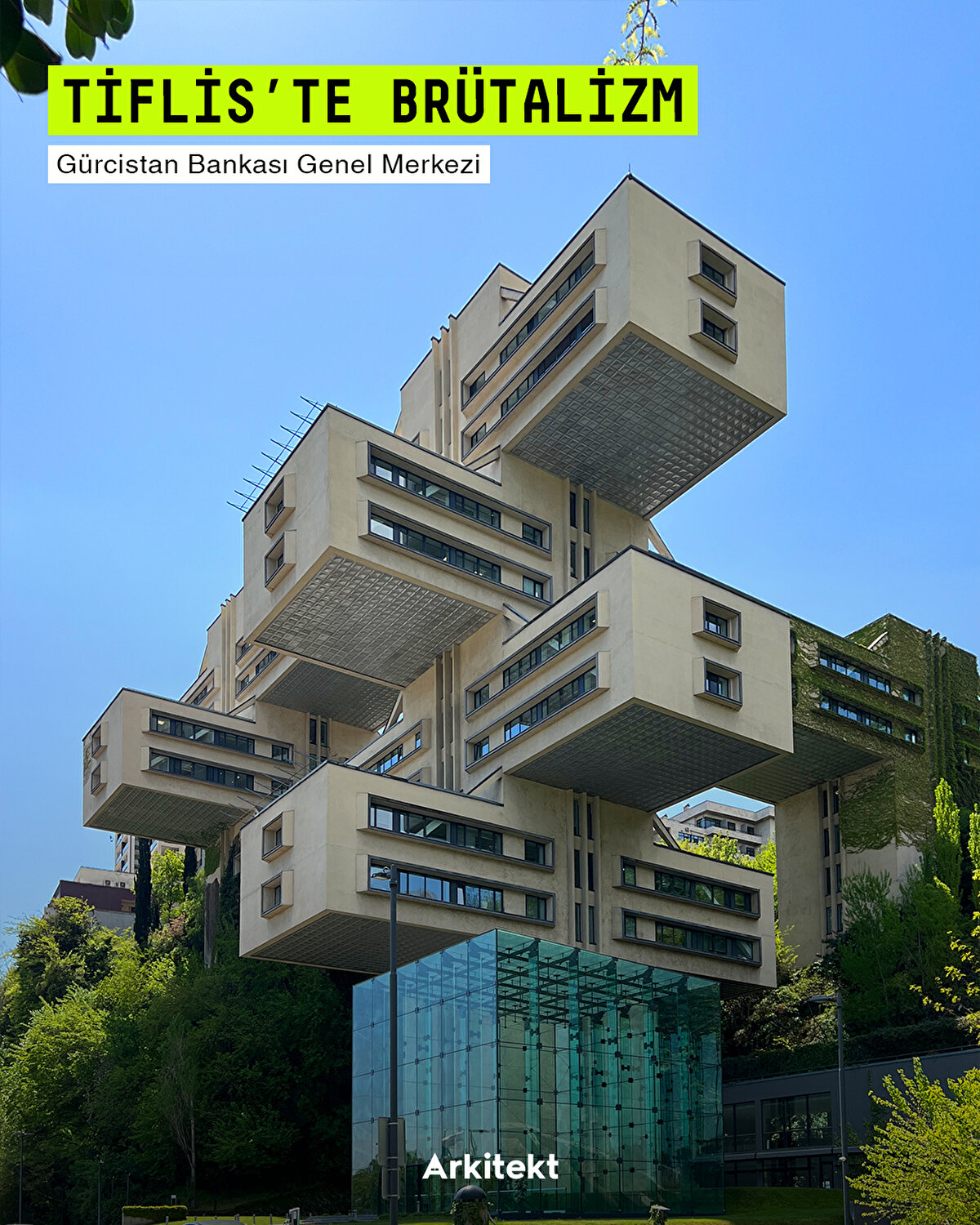
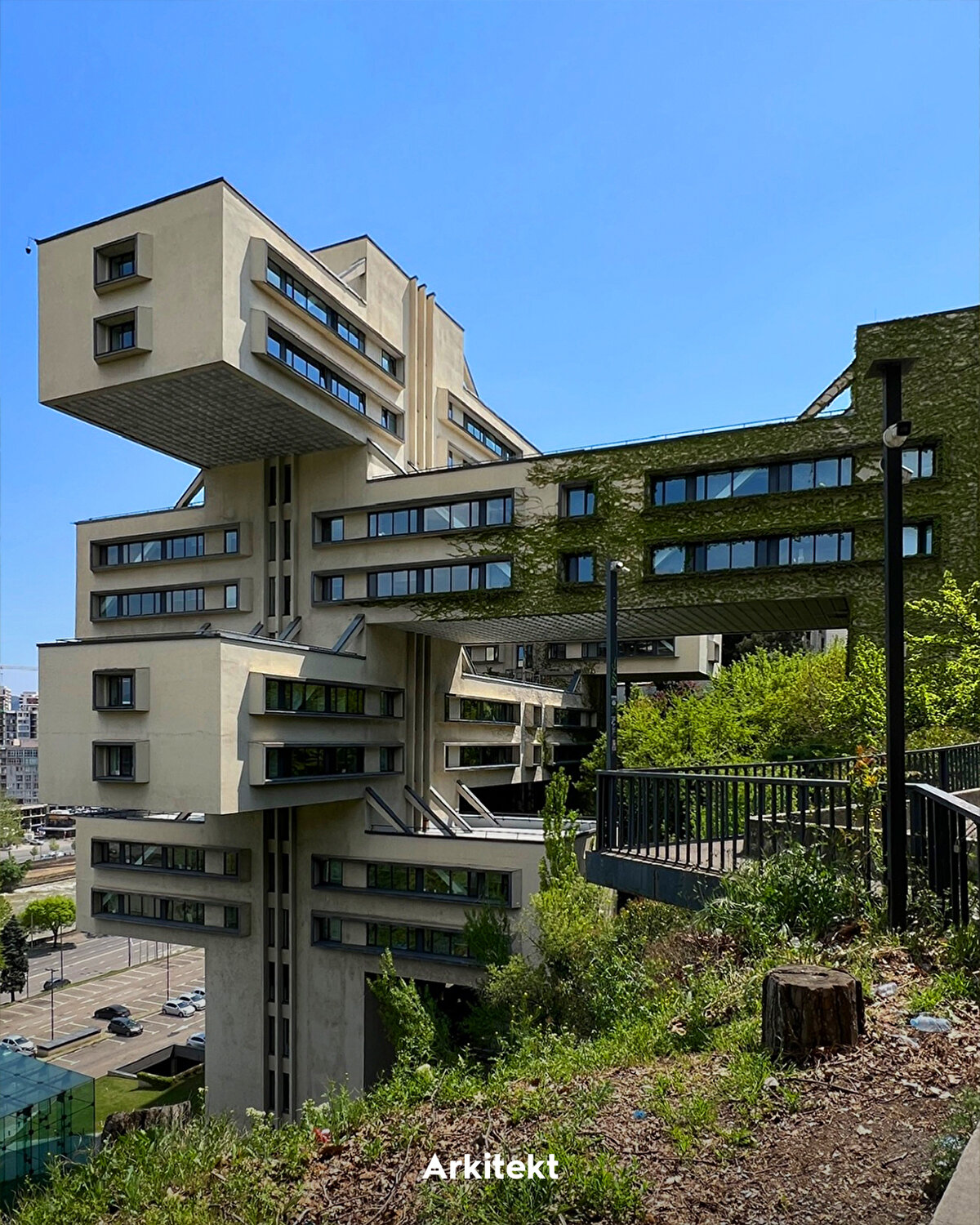
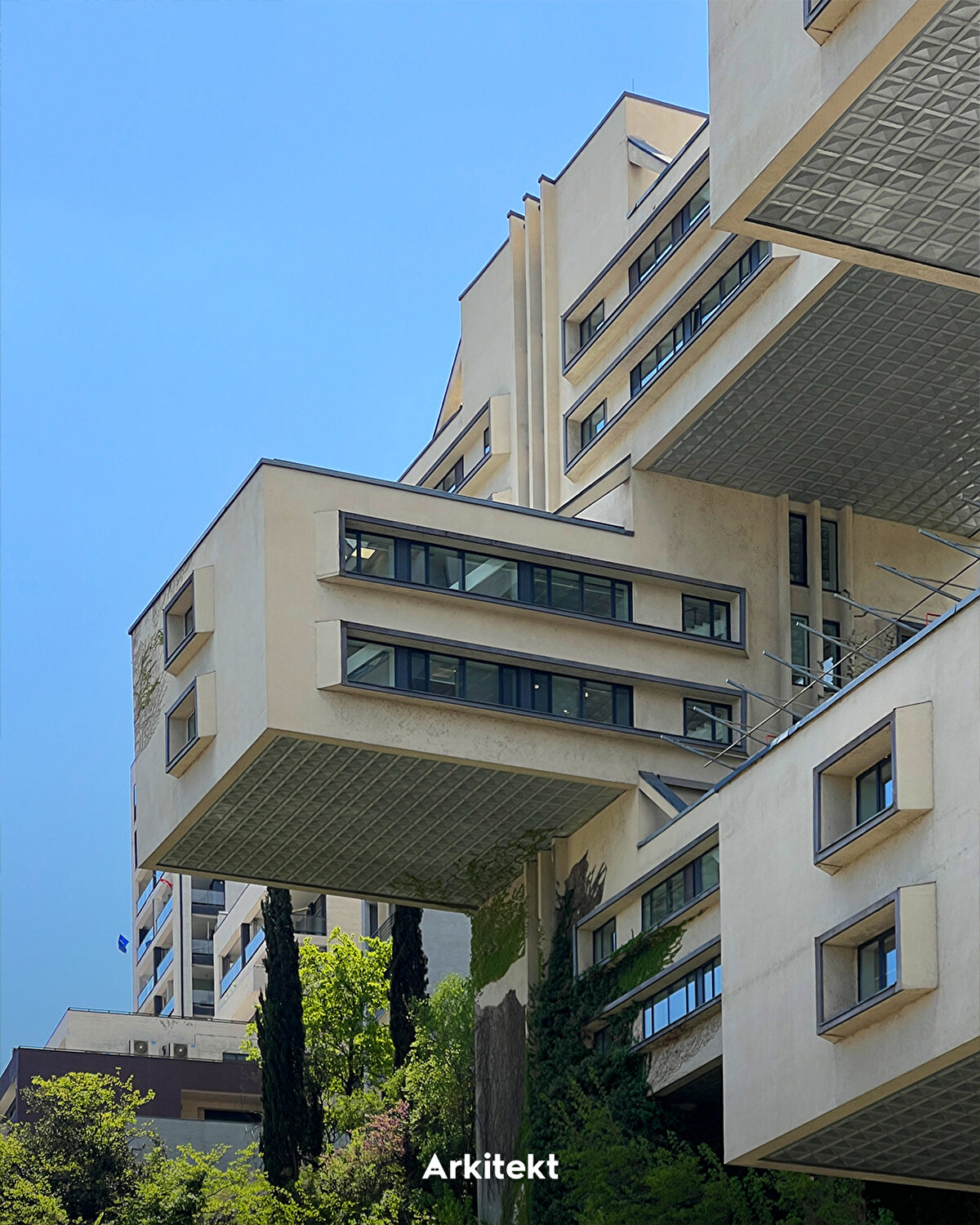
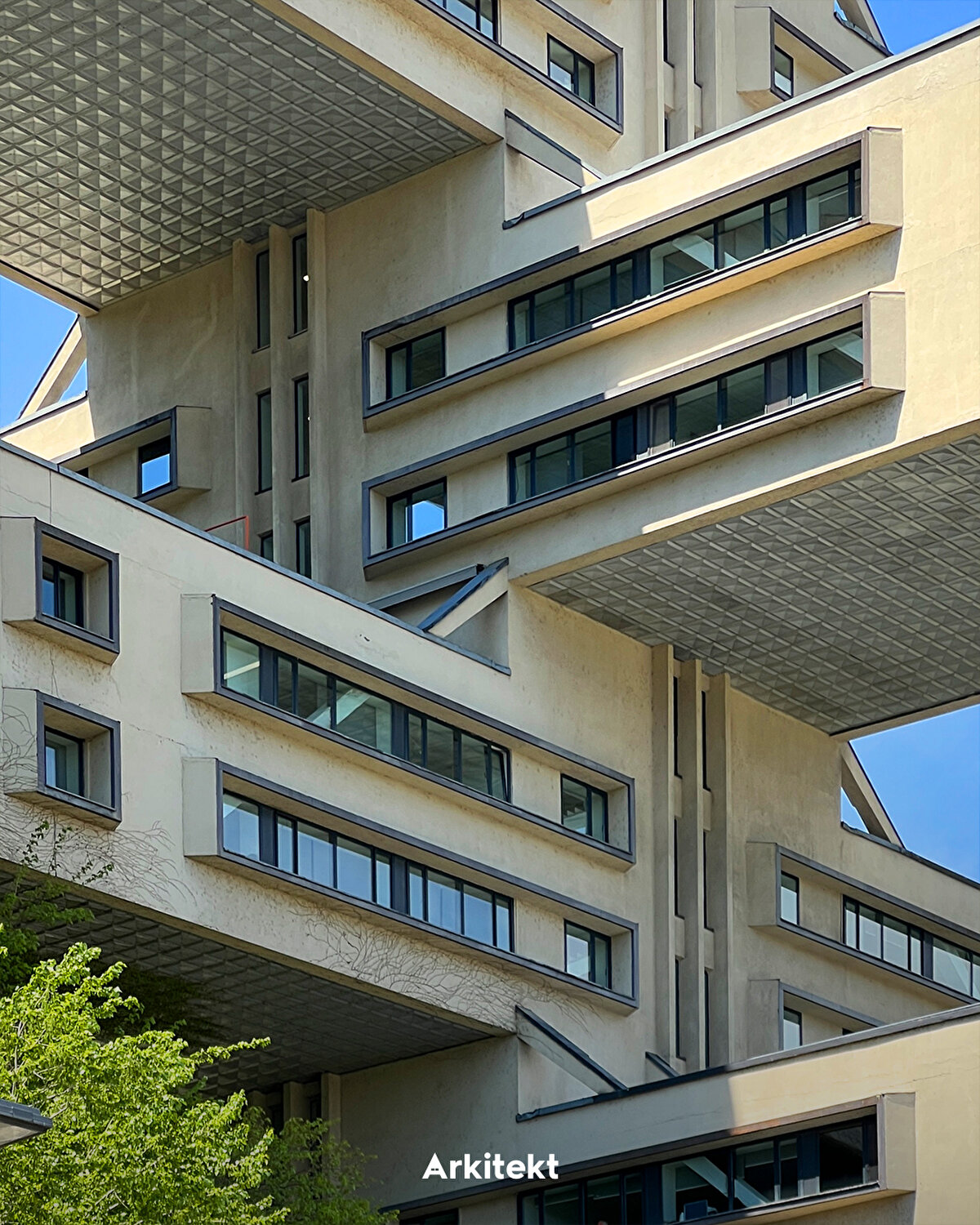
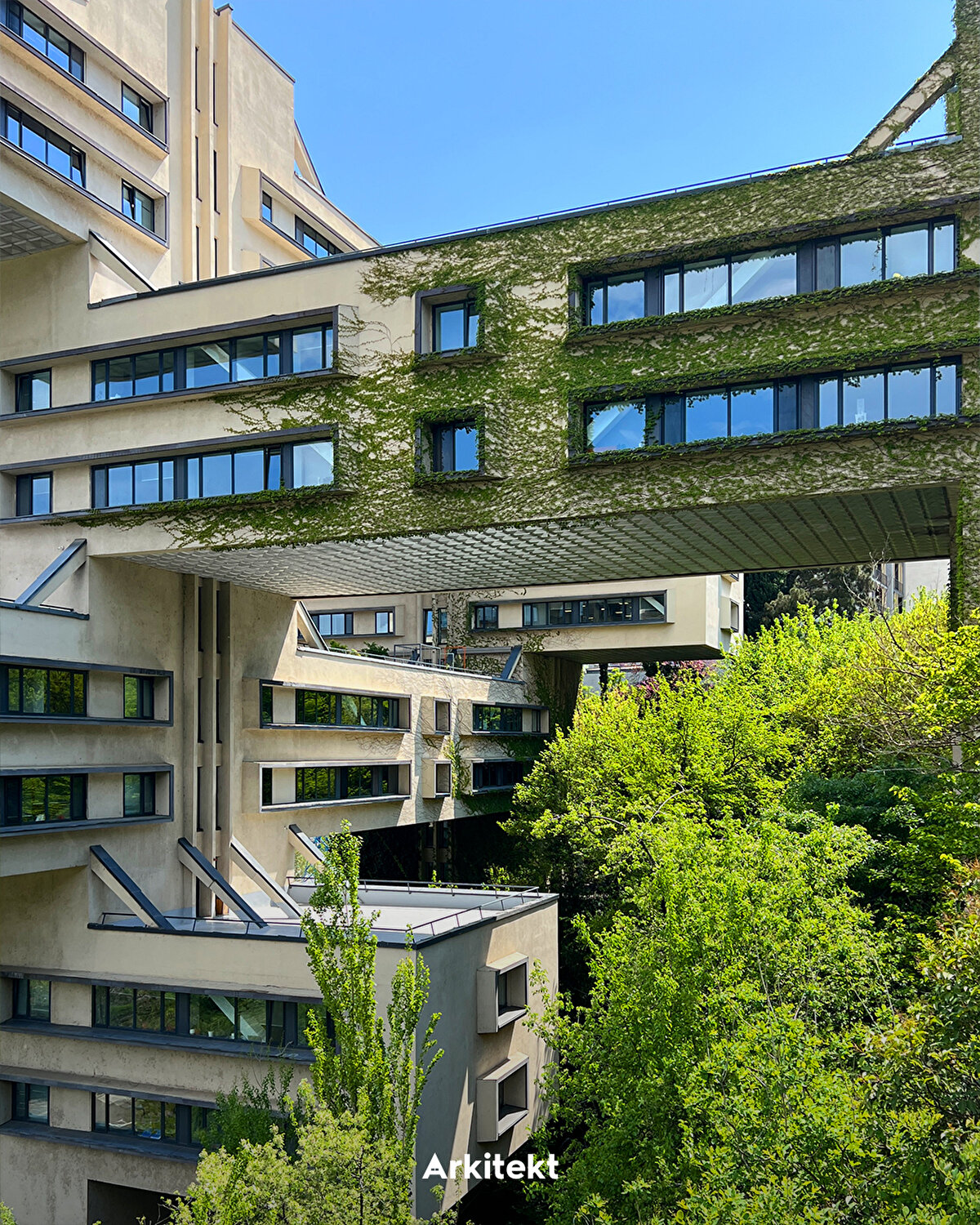
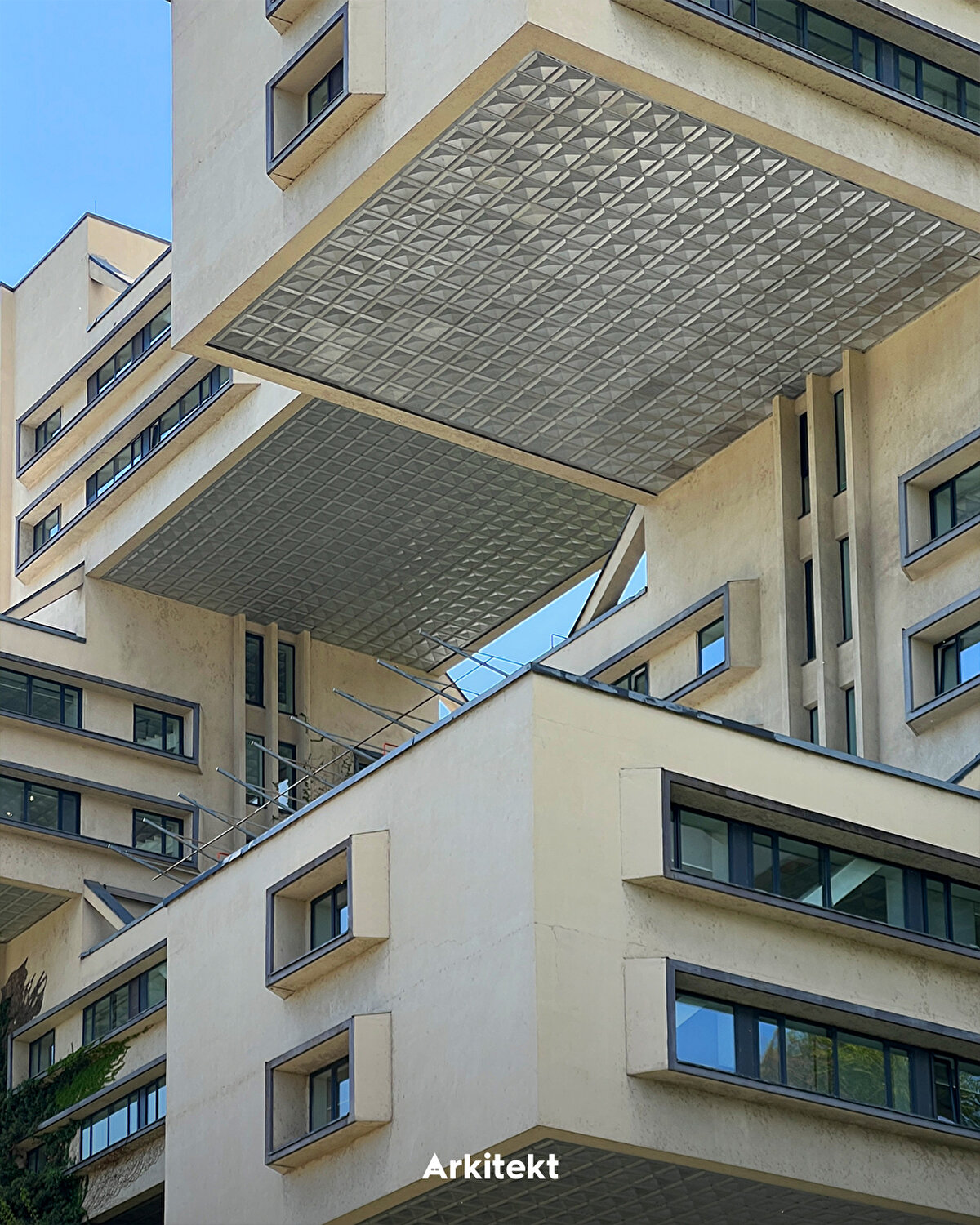
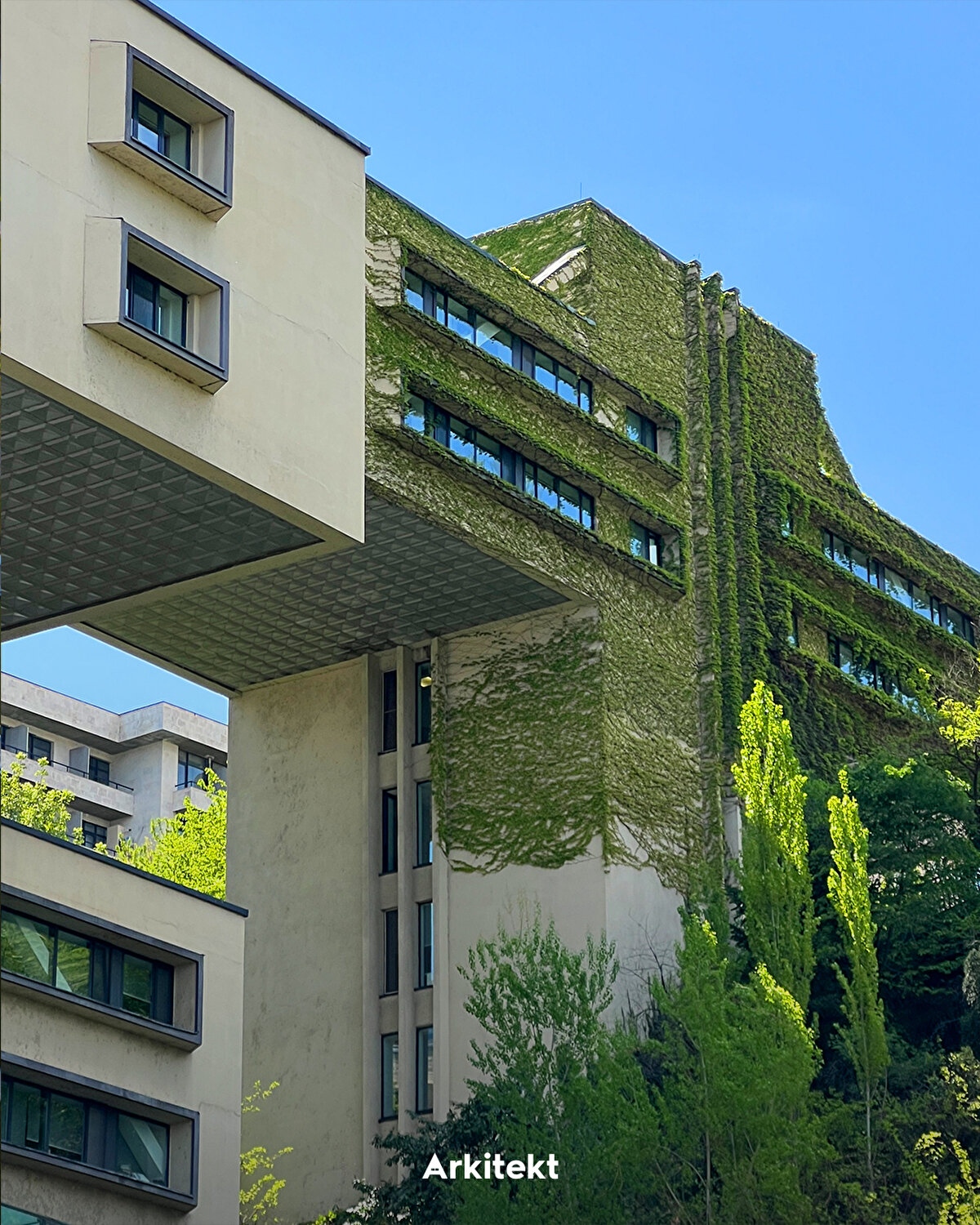
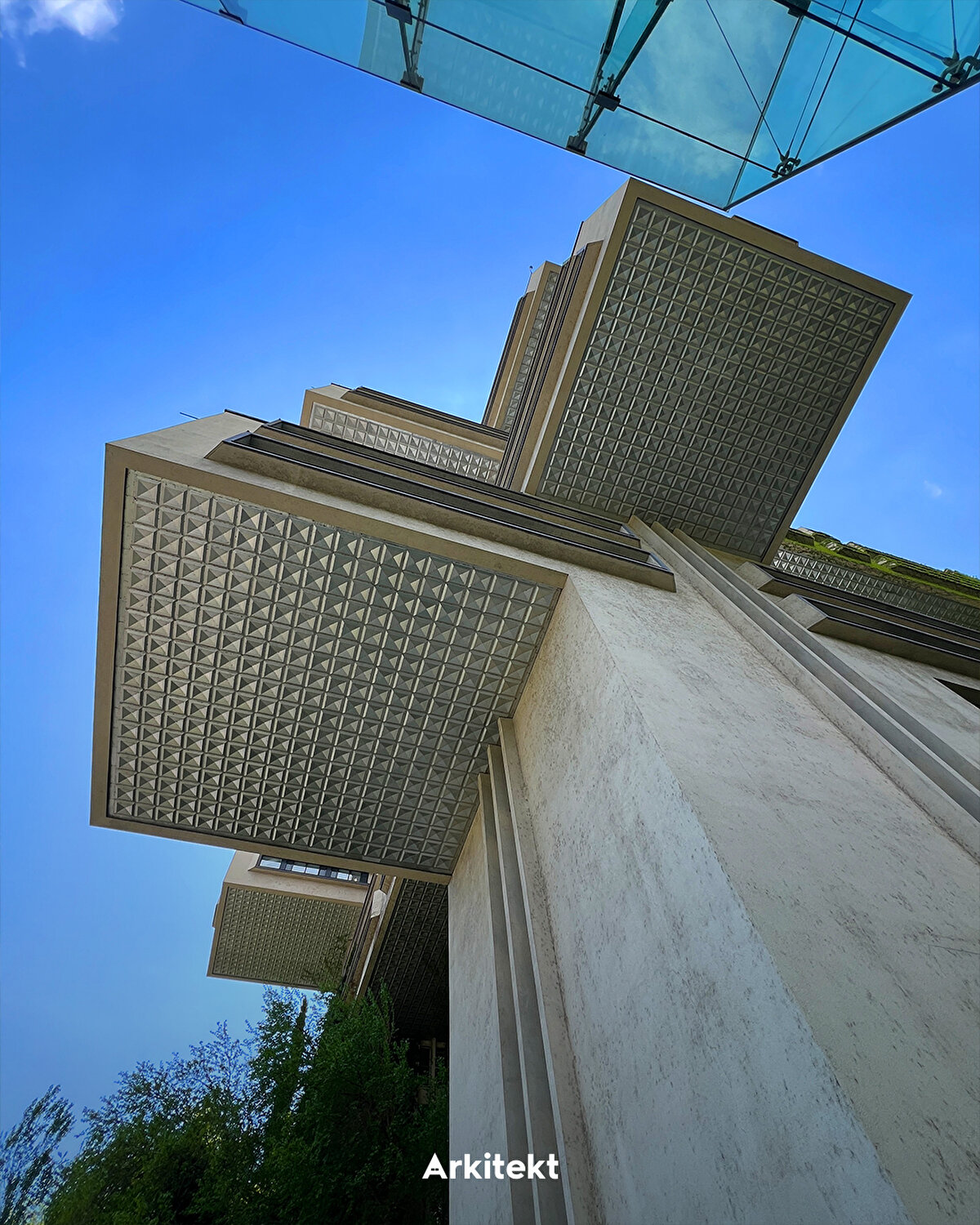
Büyük beton kütleler, zeminden yükselerek altında yeşil alanların ve yaya akışının kesintisiz devam etmesine olanak tanıyor. Yatay blokların üst üste, farklı doğrultularda konumlanması ise hem dramatik bir siluet oluşturuyor hem de her kata manzara ve ışık avantajı sağlıyor.
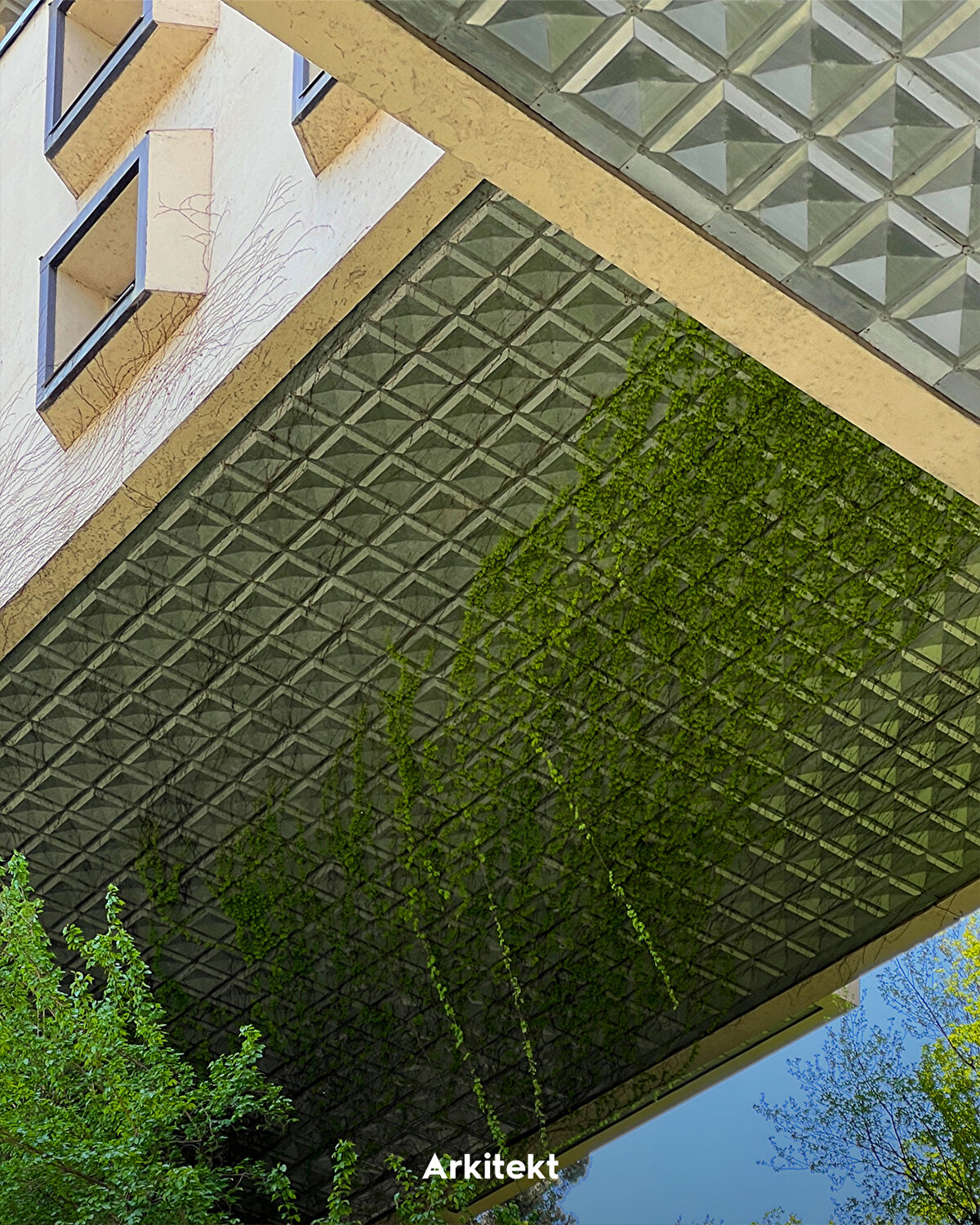
Brutalist üslubun güçlü bir örneği olan yapı, çıplak beton yüzeyleri, net geometrik dili ve taşıyıcı sistemin dışa vurumuyla dikkat çekiyor. Hem mühendislik cesareti hem de peyzajla kurduğu diyalog, onu Sovyet sonrası dönemin en sıra dışı mimari ikonlarından biri haline getiriyor.
📸: @ilkeraldemir
__
A Soviet-era structure, a symbol of modern architecture in the Tbilisi skyline
Located on sloping land along the banks of the Kura River in Tbilisi, the Bank of Georgia headquarters was designed in 1975 by George Chakhava and Zurab Jalaghania as the central building for the Ministry of Roads at the time. Today, it stands out both for its iconic architecture and its status as part of the national cultural heritage.
Large concrete masses rise from the ground, allowing green spaces and pedestrian flow to continue uninterrupted underneath. The stacking of horizontal blocks in different orientations creates a dramatic silhouette while providing each floor with views and light.
A powerful example of Brutalist style, the building draws attention with its bare concrete surfaces, clear geometric language, and the outward expression of its structural system. Both its engineering boldness and its dialogue with the landscape make it one of the most extraordinary architectural icons of the post-Soviet era.
1-10
2-10
3-10
4-10
5-10
6-10
7-10
8-10
9-10
10-10