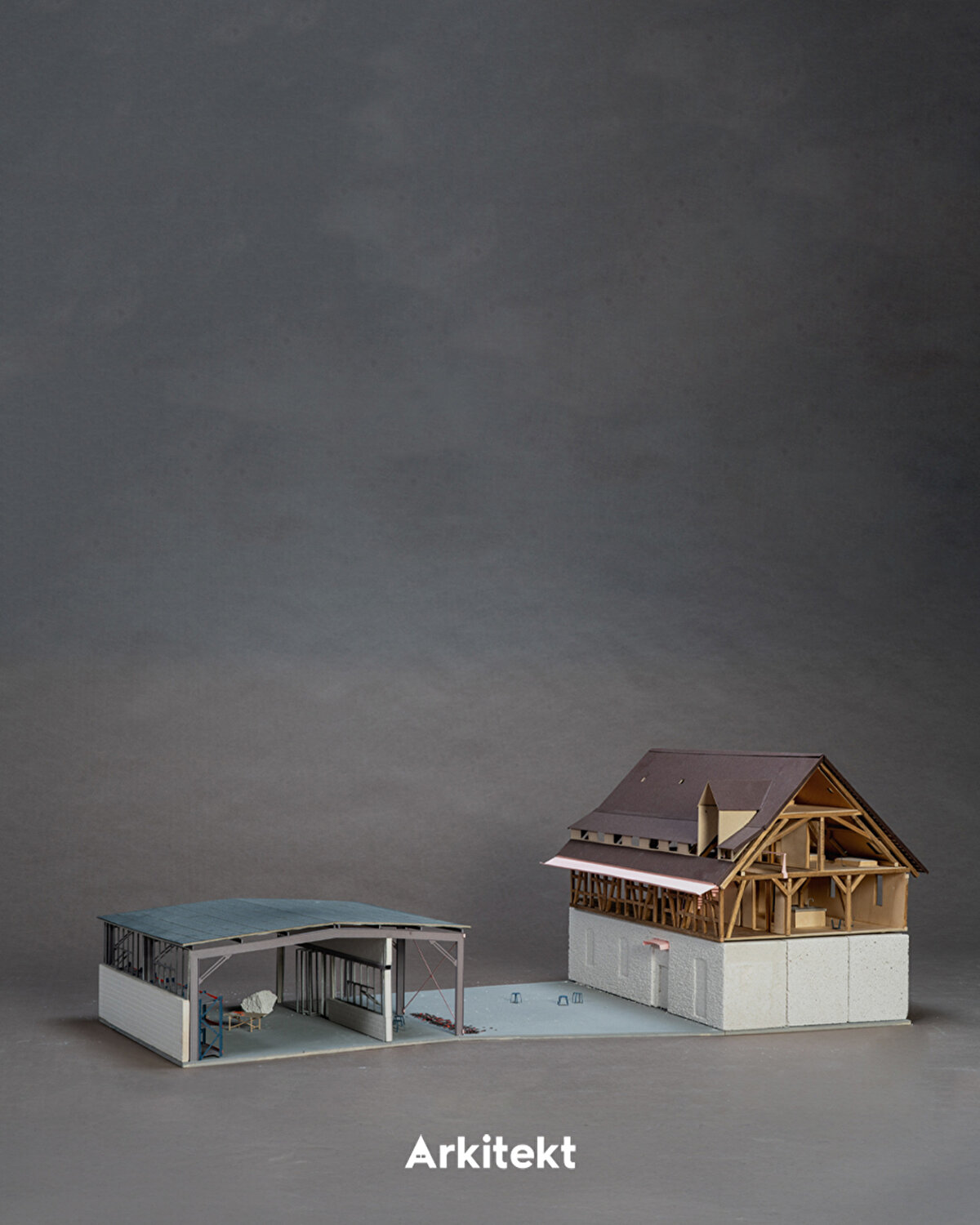


Sürdürülebilir Tektonik Üzerine Deneysel Bir Laboratuvar

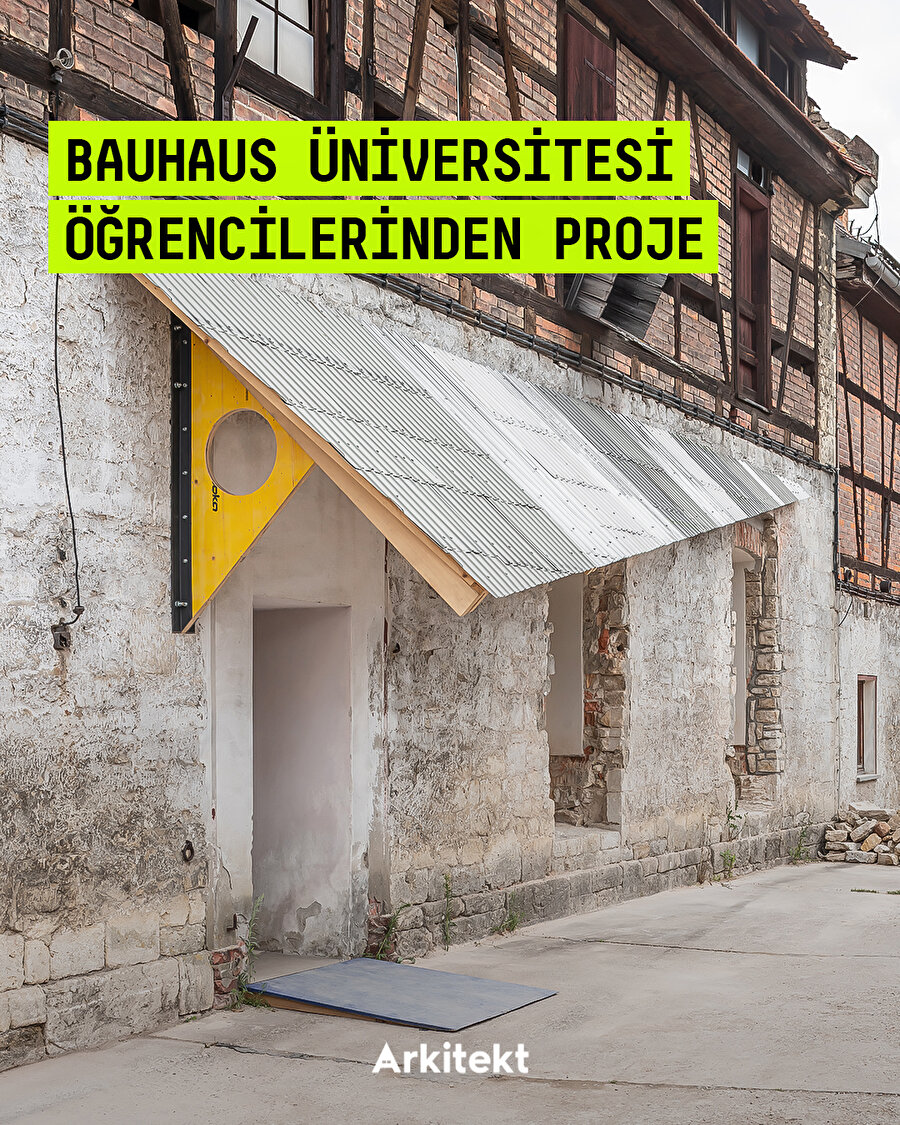
Kırsal yapı stoğu, topluluk temelli öğrenme ve inşa etme süreçleri için bir kaynağa dönüştürülebilir mi?
Bauhaus Üniversitesi Weimar öğrencileri, Yrd. Prof. Tim Simon-Meyer önderliğinde Dornburg'da eski bir ahırın atölye, etkinlik ya da ortak çalışma için kullanılacak bir mekâna dönüştürülmesi projesi ile bu soruya yanıt aradı. @exnovum mimarlık ofisi ve yerel aktörlerle birlikte yürütülen projede “inşa etme" süreci, tamamlanmış bir ürüne giden doğrusal bir yol olarak ele alınmaktansa tasarımsal bir araştırma biçimi olarak ele alındı.
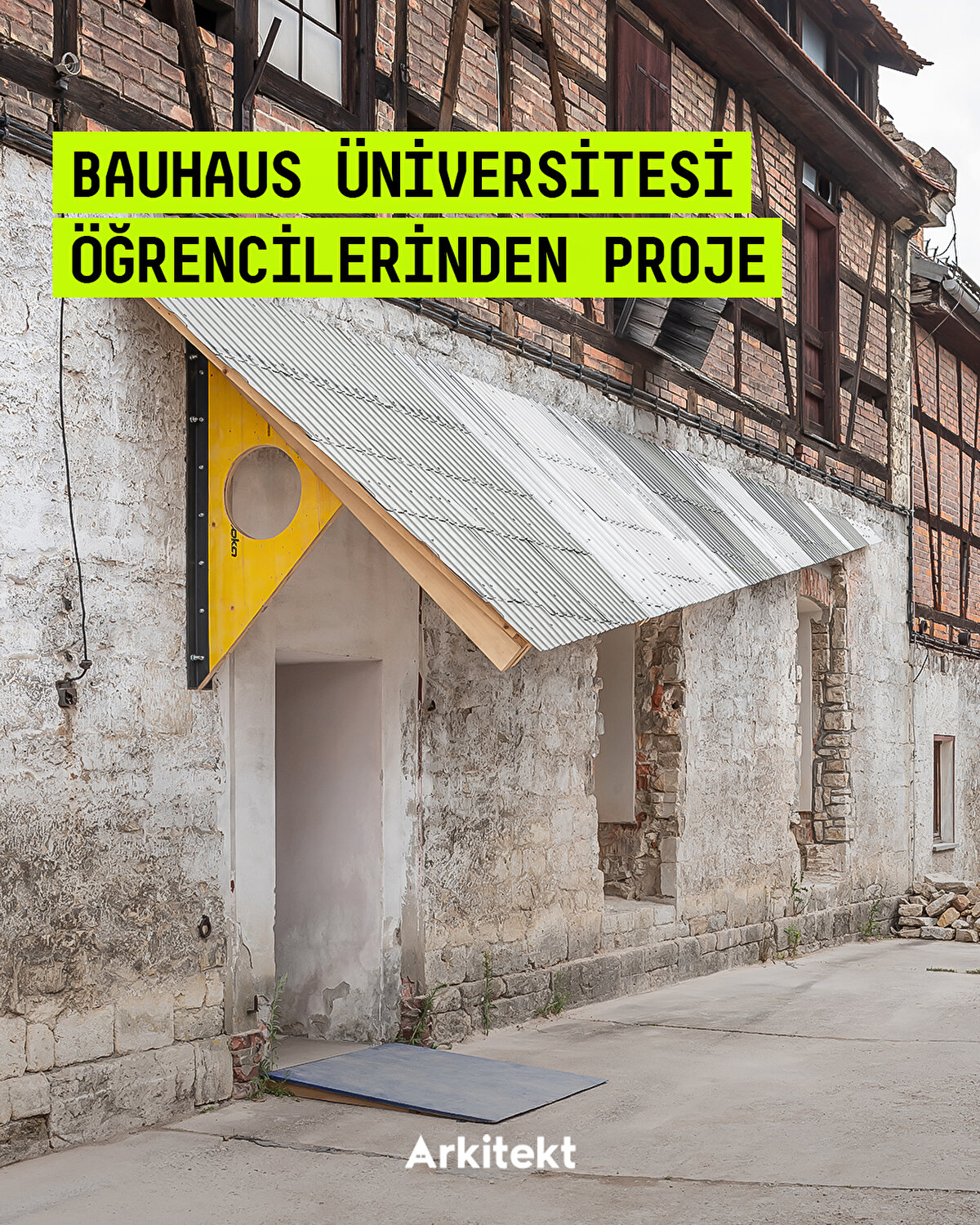
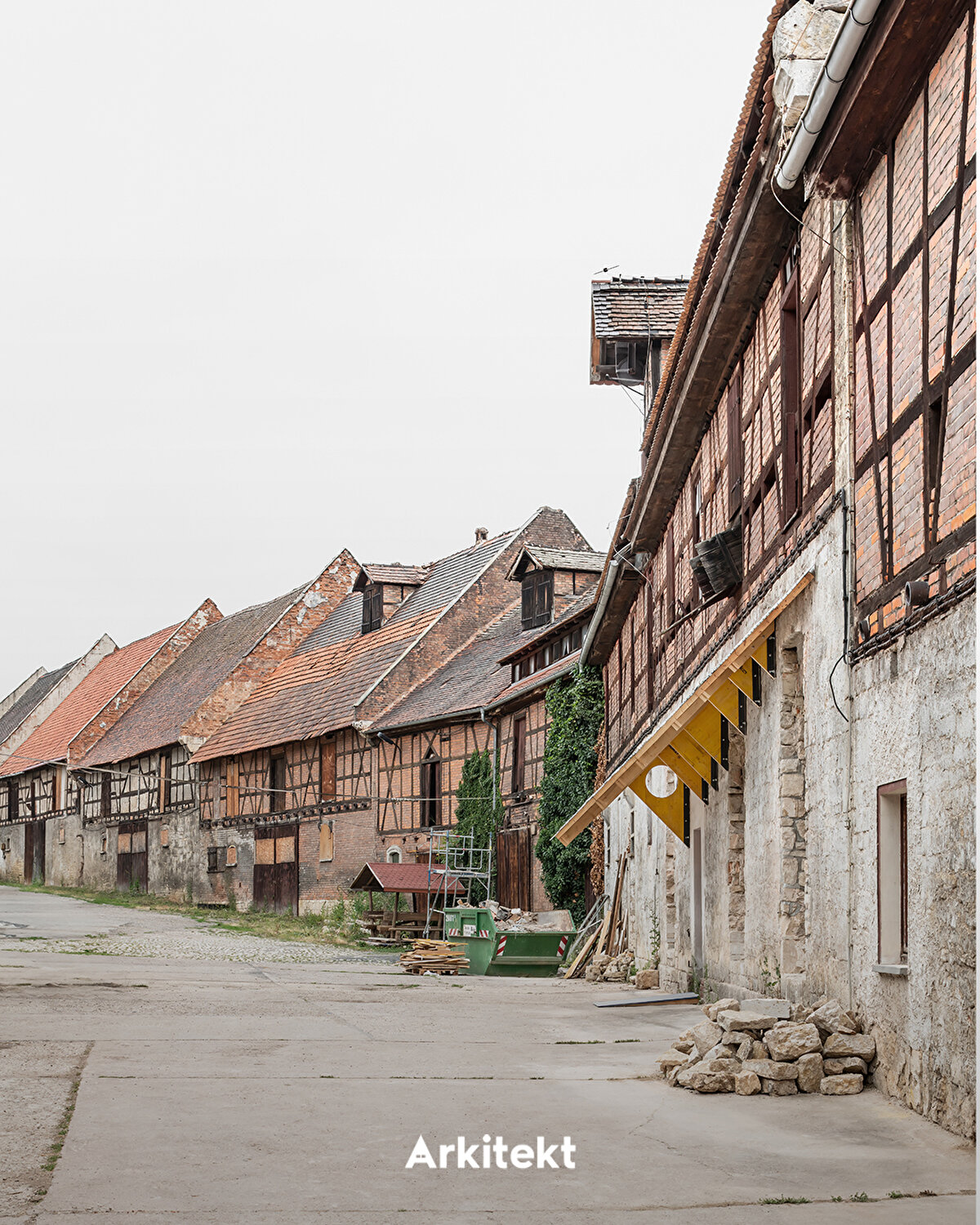
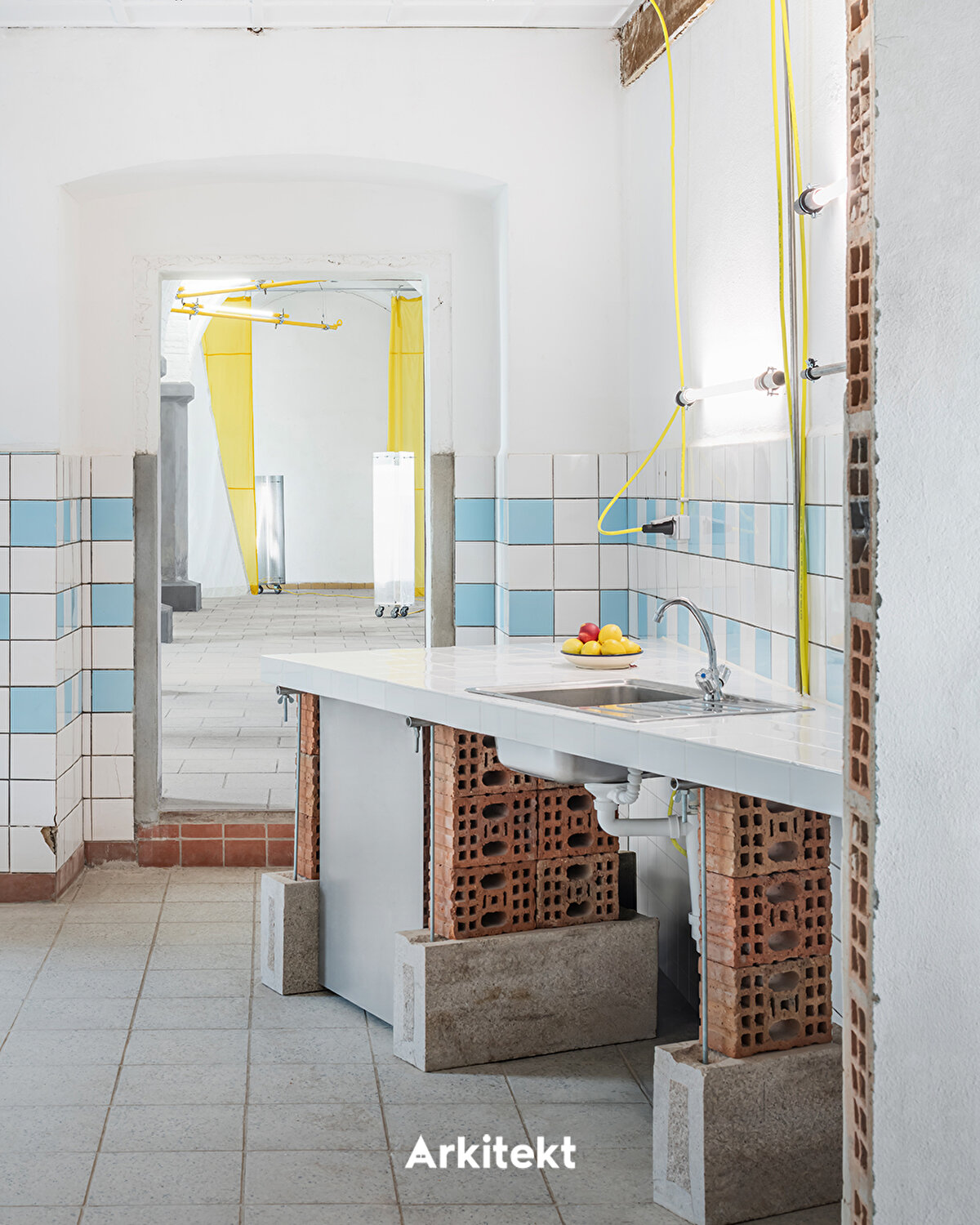
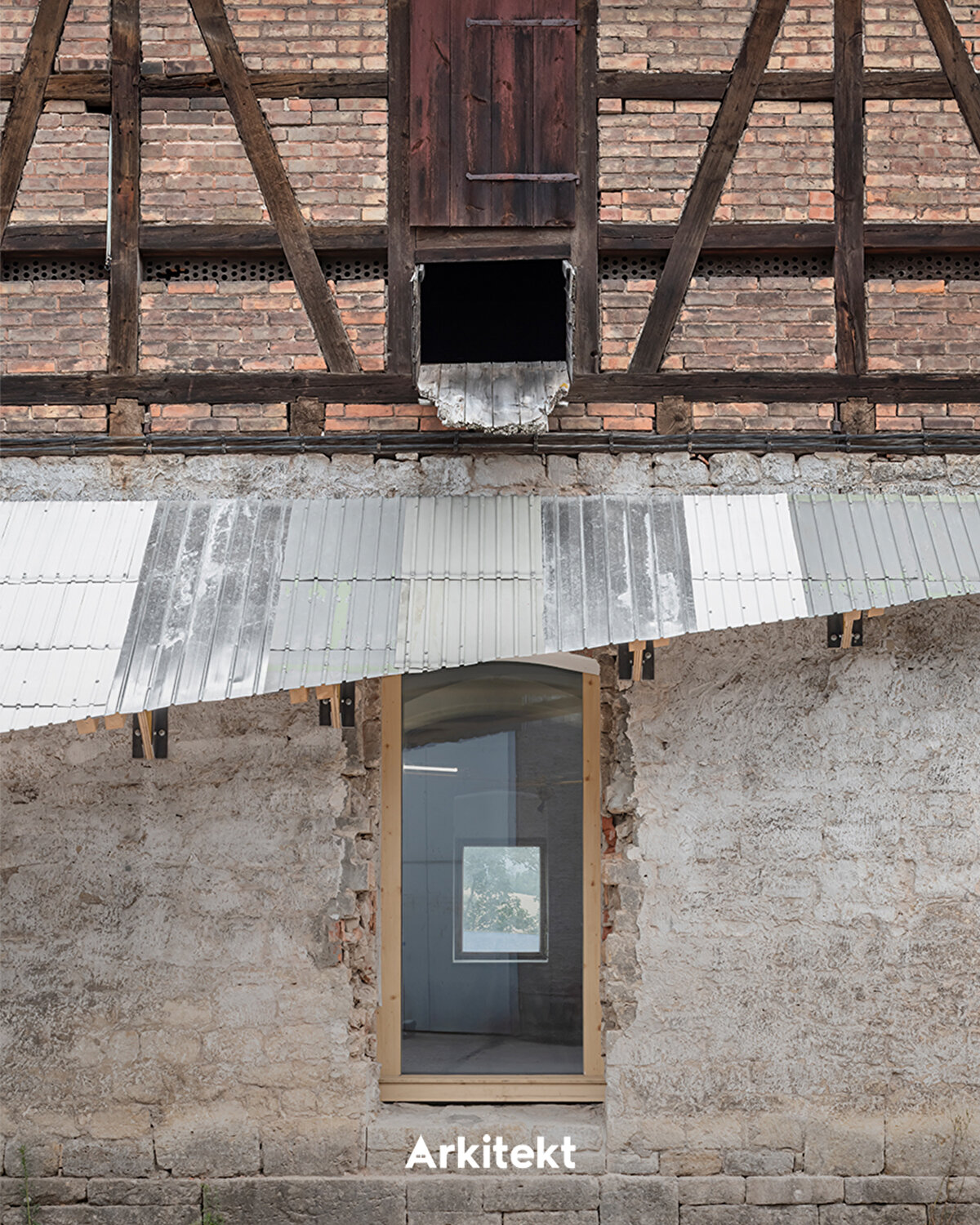
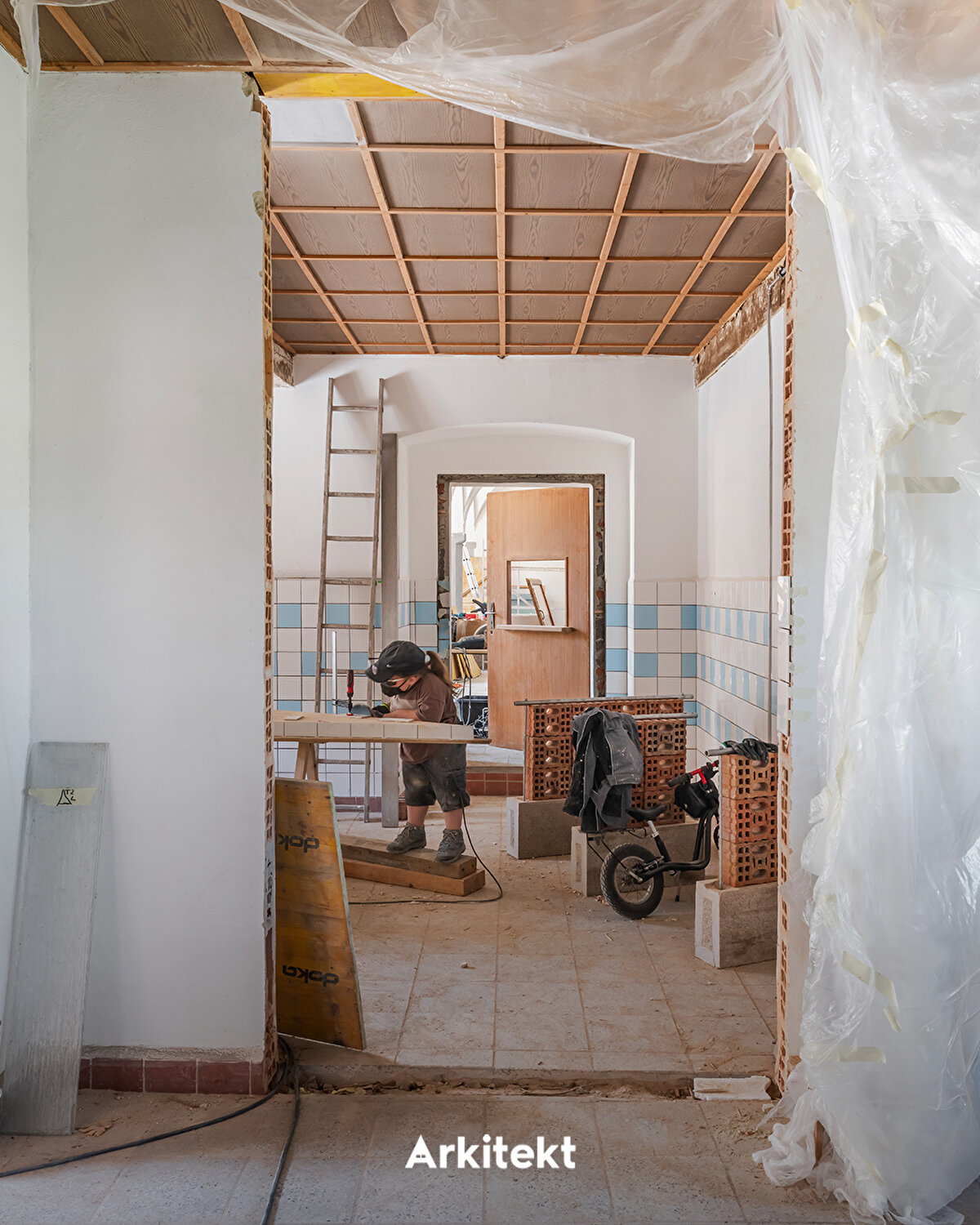
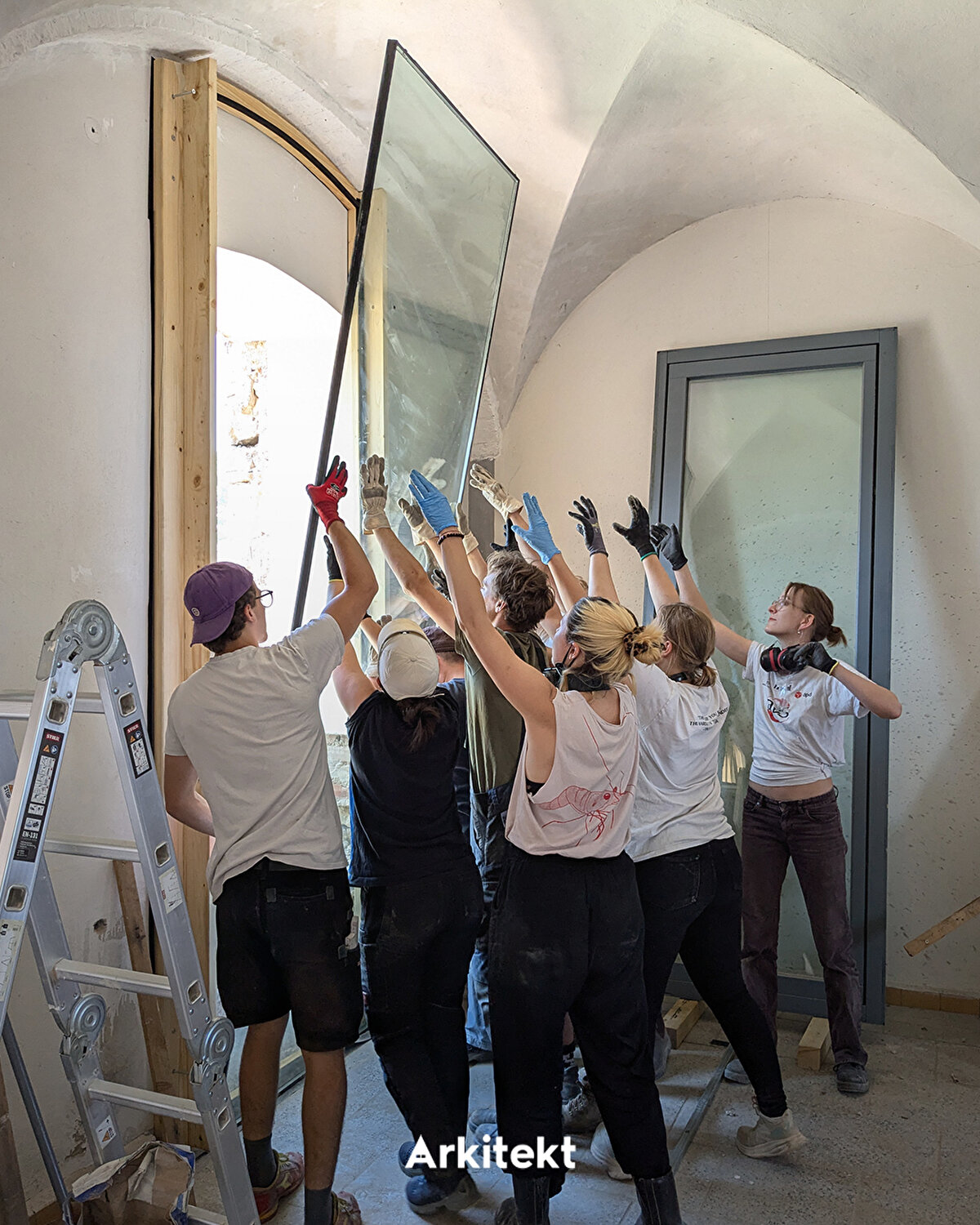
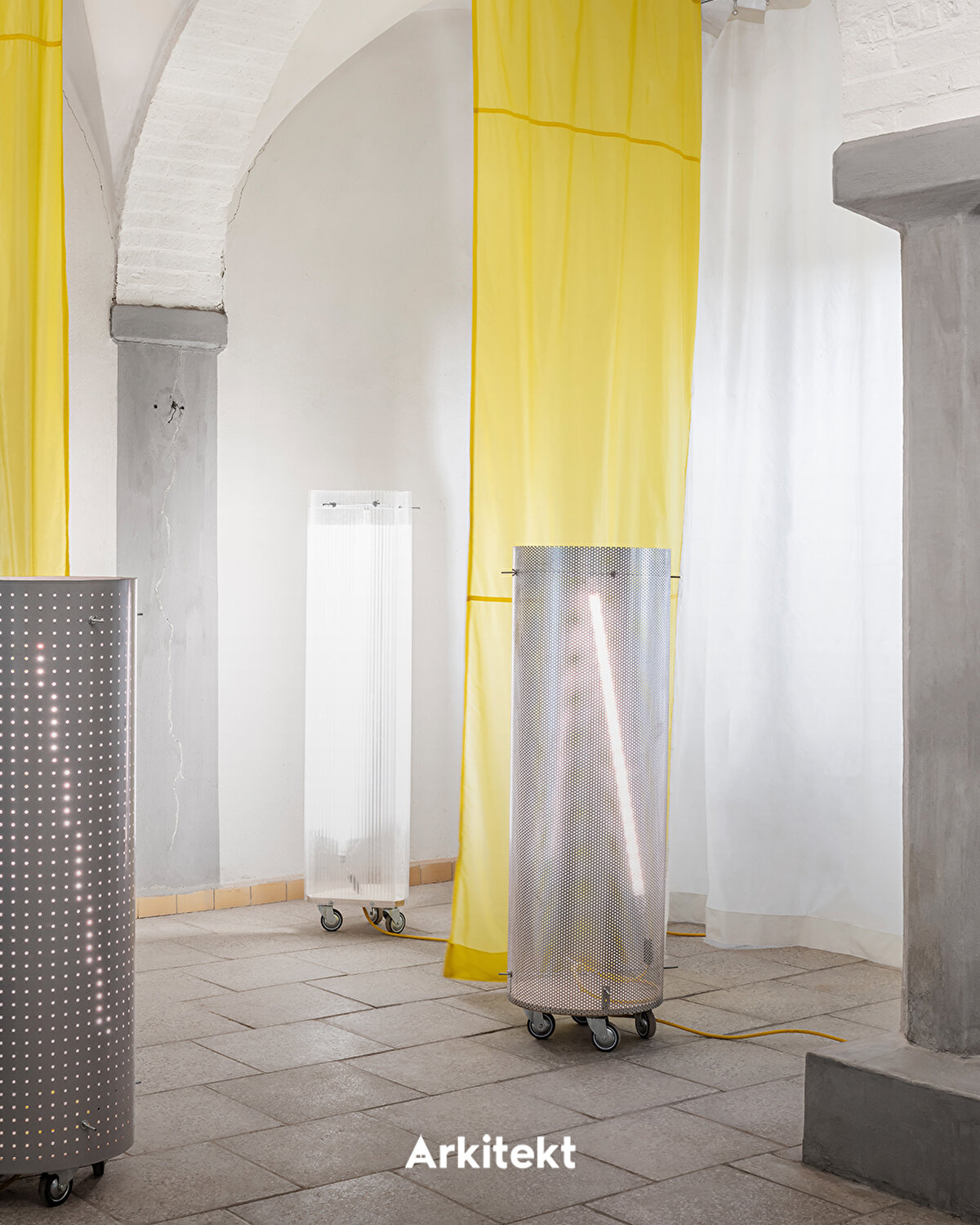
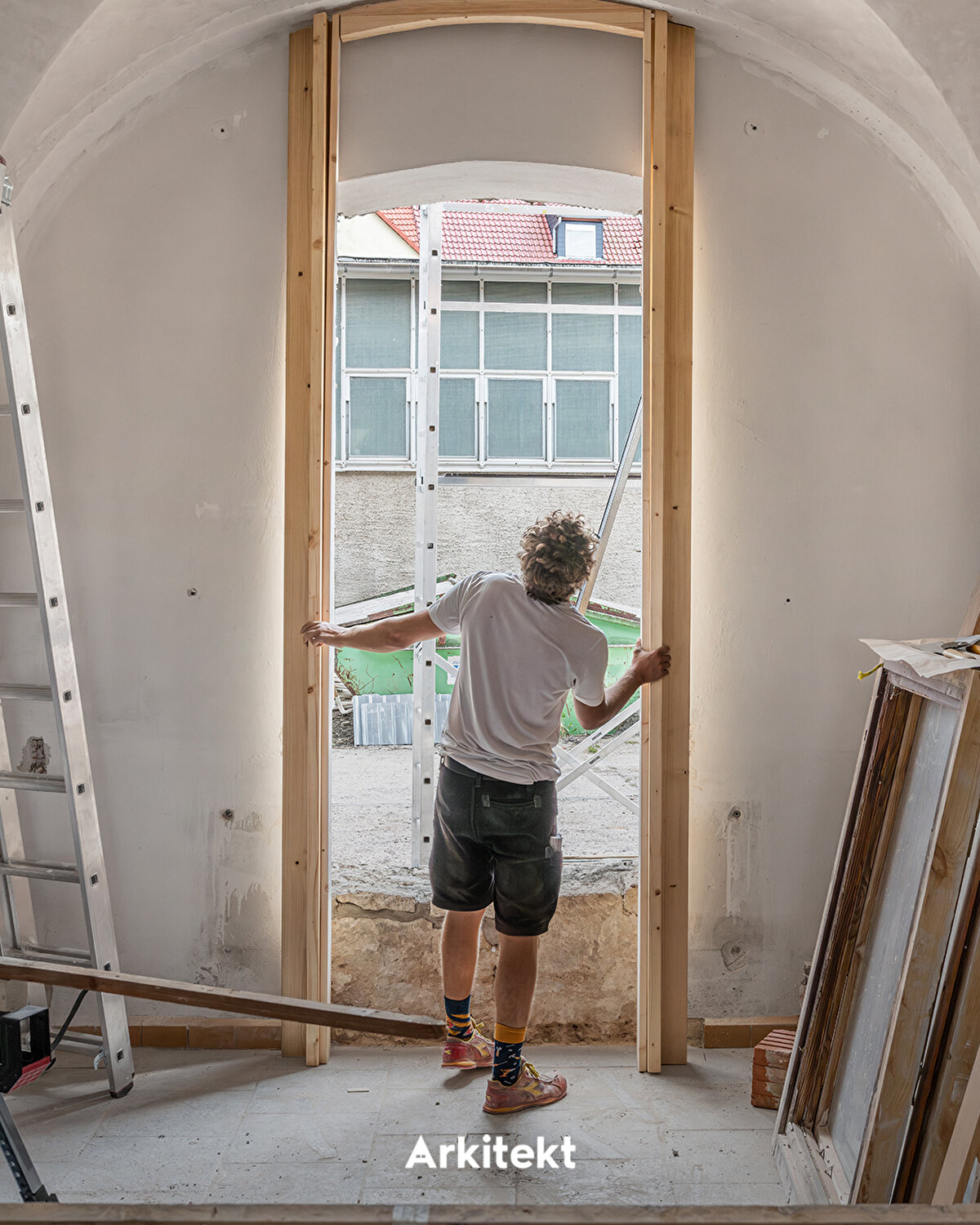
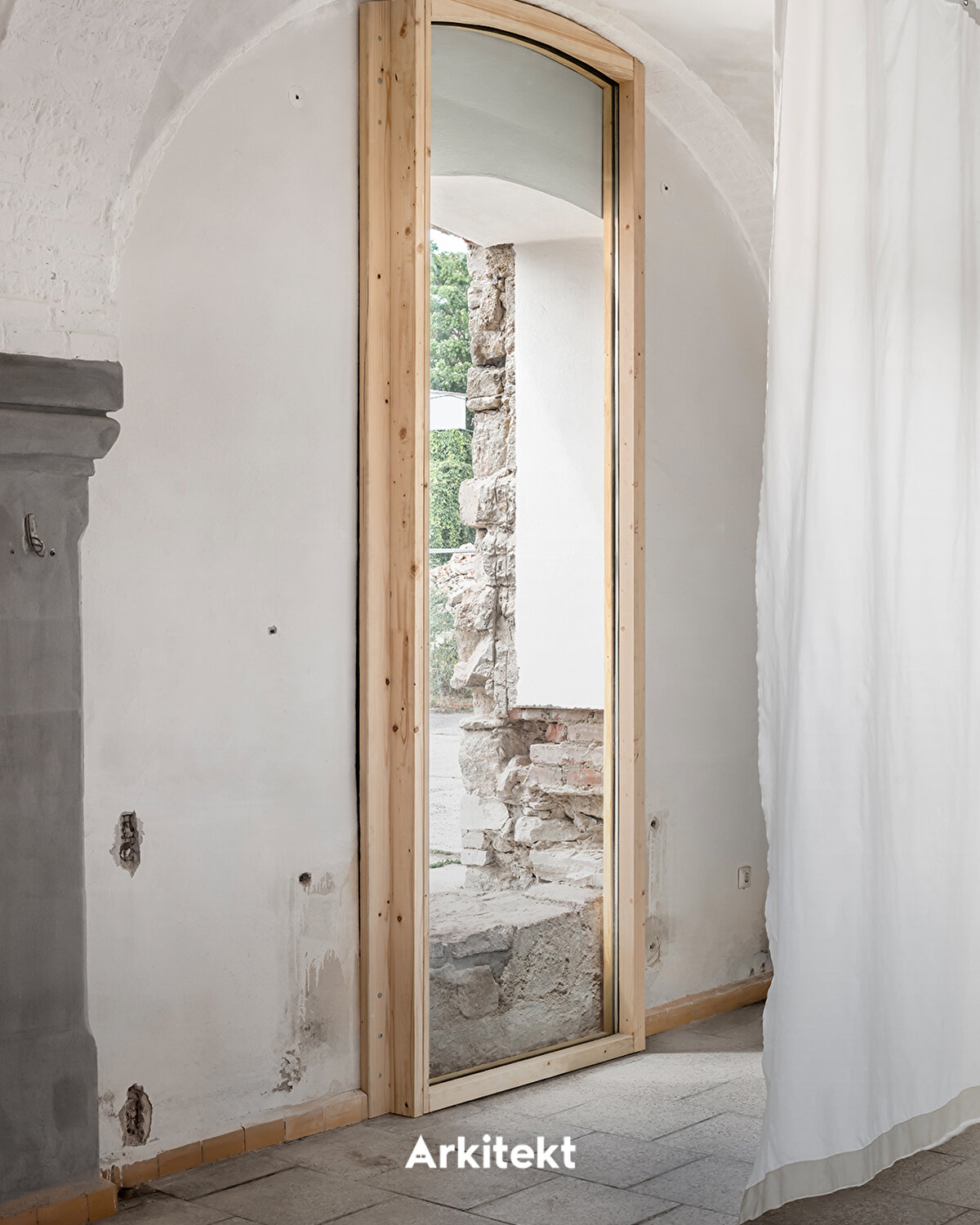
Öğrenciler, mevcut yapıya eklenirken büyük müdahalelerde bulunmak yerine prototip niteliğinde, geri sökülebilir, geçici ve parçalı müdahaleleri tercih etti. Öğrenciler, eski lavaboları yapının farklı noktalarında yeniden değerlendirdi, duvar açıklıklarından çıkan tuğlalar eski bir kapıyı kapatmak için kullandı ve eski ısıtma borularına mutfak mobilyası ve kablo kanalı olarak yeniden hayat verdi. Mevcut yapı, atık camlardan oluşturulmuş pencereler, kullanılmış yelken bezinden üretilmiş perdeler ve geri dönüştürülmüş garaj kapılarından yapılan bir sundurma ile tamamlandı.
Öğrenciler; mevcut durumu, dökülmüş sıvadan eğri duran radyatöre kadar en küçük ayrıntısıyla belgelediler. Ayrıca, çevrede bulunan malzemeleri tek tek kayda geçirip malzemelerin özelliklerini doğaçlama ve deneysel küçük yapılar üzerinde sınadılar. Bu süreç hem mevcut yapının tektoniğini kavramalarını hem de eldeki malzemelerin barındırdığı potansiyeli “sezgisel olarak" fark etmelerini sağladı.
Fotoğraflar: Hannes Heitmüller ve KEE
—
Students from Bauhaus University Weimar, led by Asst. Prof. Tim Simon-Meyer, sought to answer this question through a project converting an old barn in Dornburg into a space for workshops, events, and co-working. In collaboration with the architecture office @exnovum and local actors, the process of "building" was treated not as a linear path to a finished product, but as a form of design research.
Rather than making major interventions to the existing structure, the students opted for prototypical, reversible, temporary, and fragmented interventions. They repurposed old sinks at various points in the building, used bricks salvaged from wall openings to seal an old doorway, and gave new life to old heating pipes as kitchen furniture and cable conduits. The existing structure was complemented by windows created from waste glass, curtains made from used sailcloth, and a canopy constructed from recycled garage doors.
The students documented the existing condition down to the smallest detail—from peeling plaster to a crooked radiator. Furthermore, they cataloged materials found on-site one by one, testing their properties on improvised and experimental small-scale structures. This process enabled them to both grasp the tectonics of the existing building and "intuitively" recognize the potential inherent in the materials at hand.
Photography: Hannes Heitmüller and KEE
1-10
2-10
3-10
4-10
5-10
6-10
7-10
8-10
9-10
10-10