

Tepeye kurulan kayalıklarla çevrili Orvieto, zamana direnen kent dokusunu koruyor

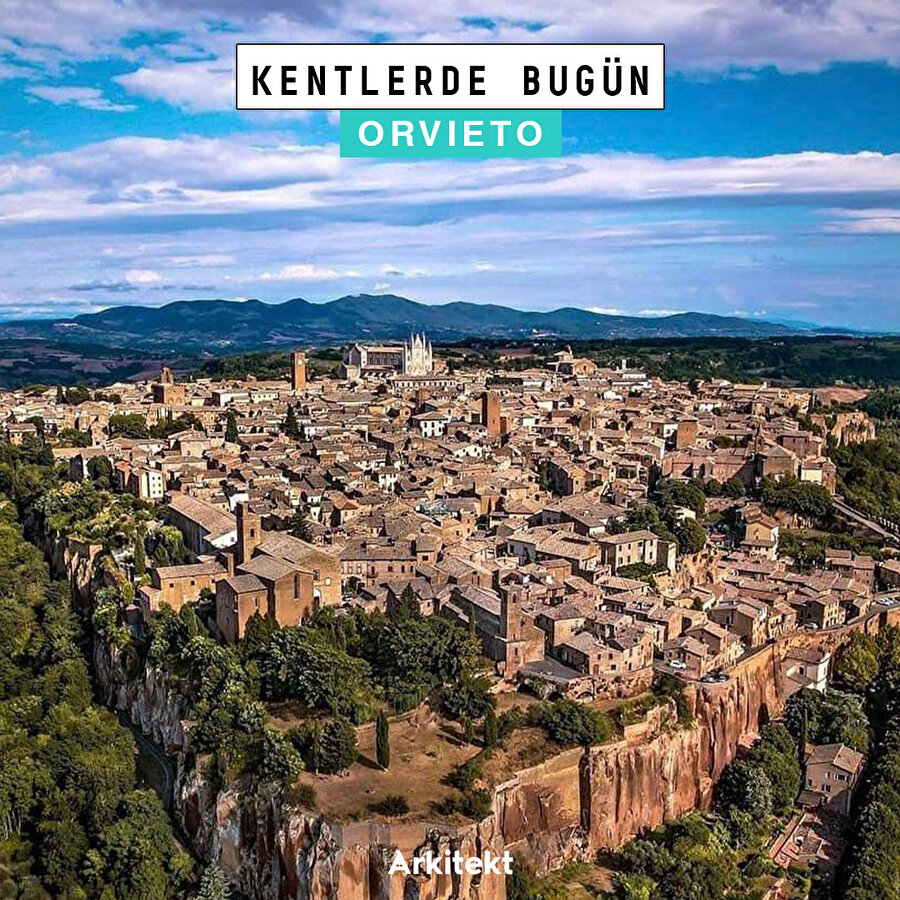
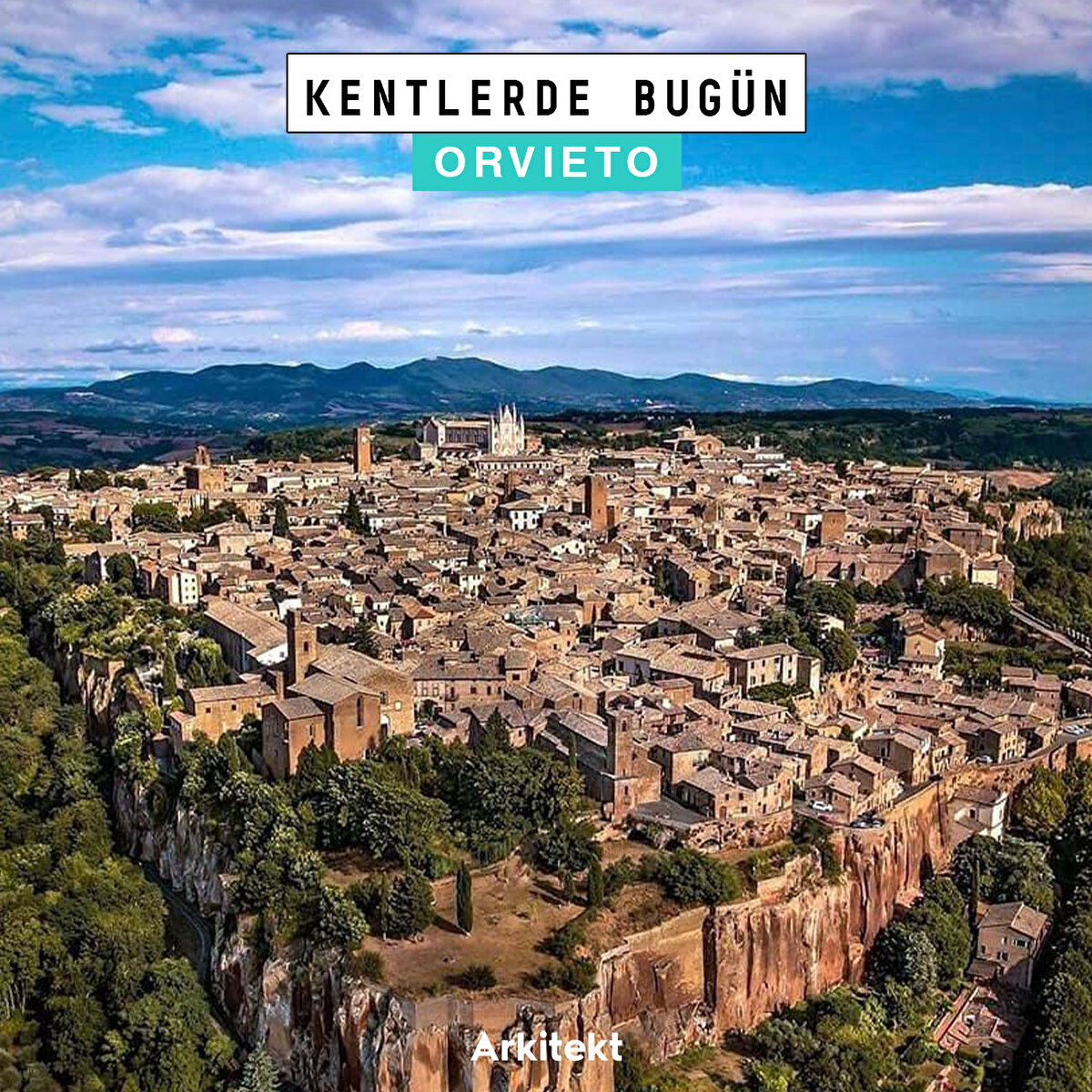
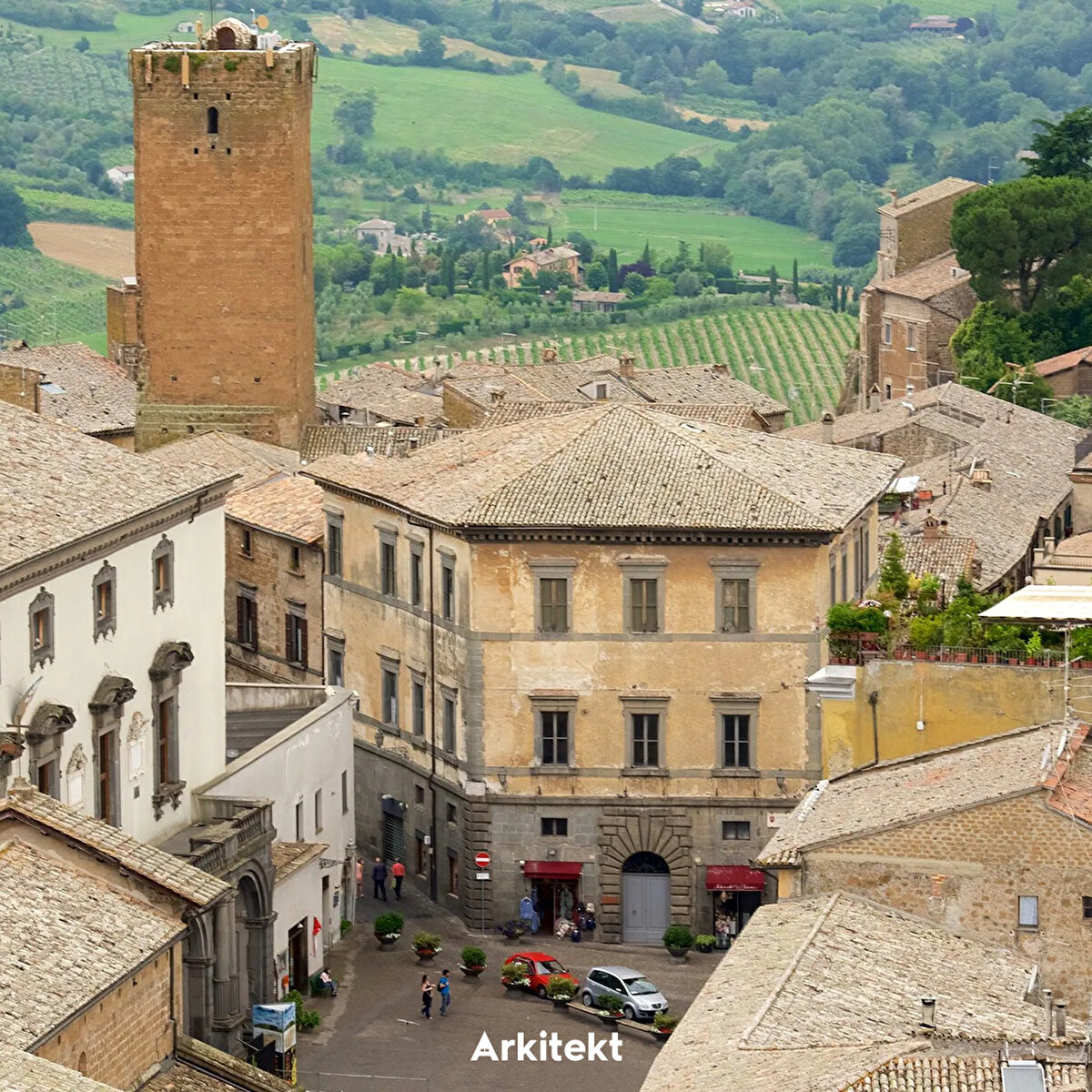
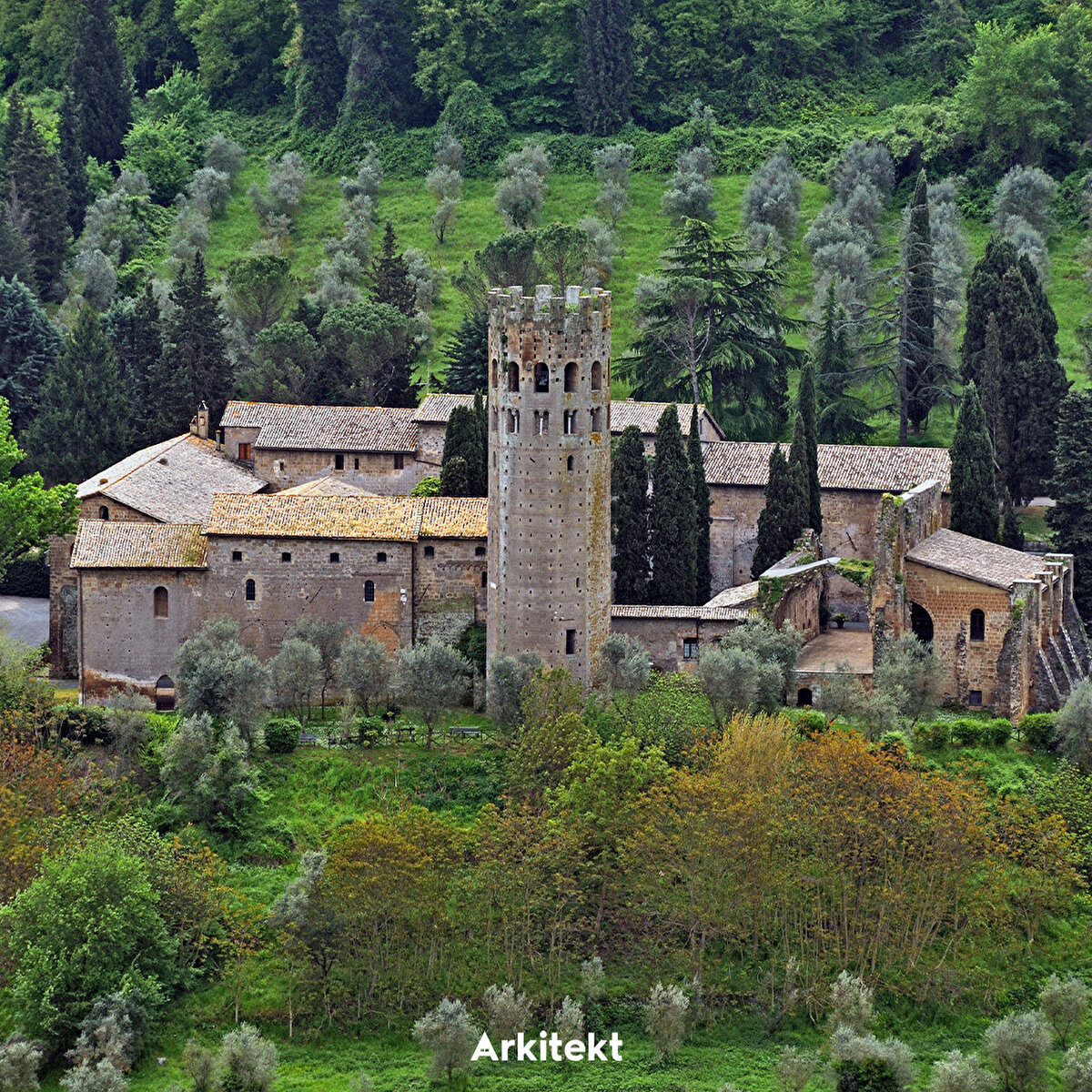
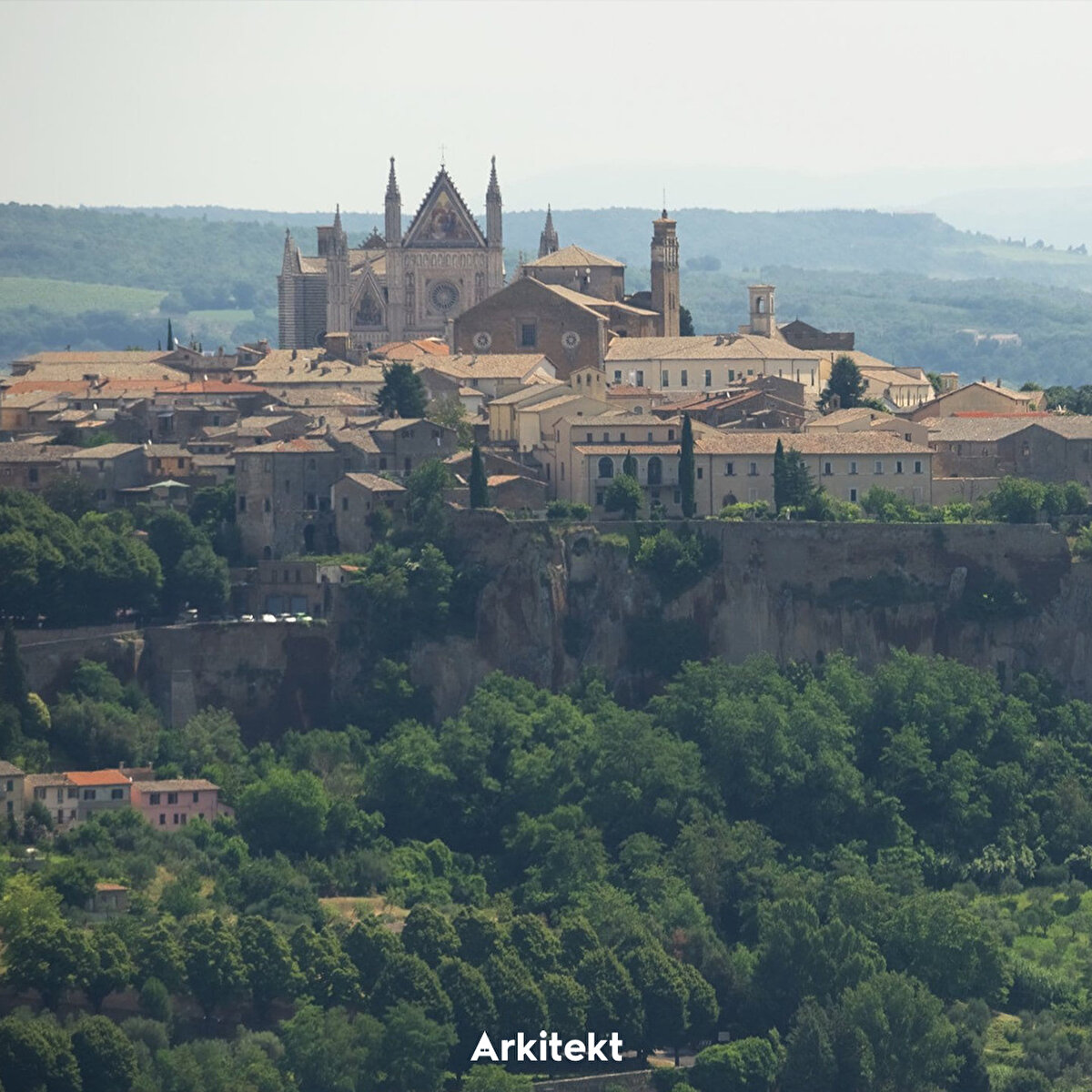
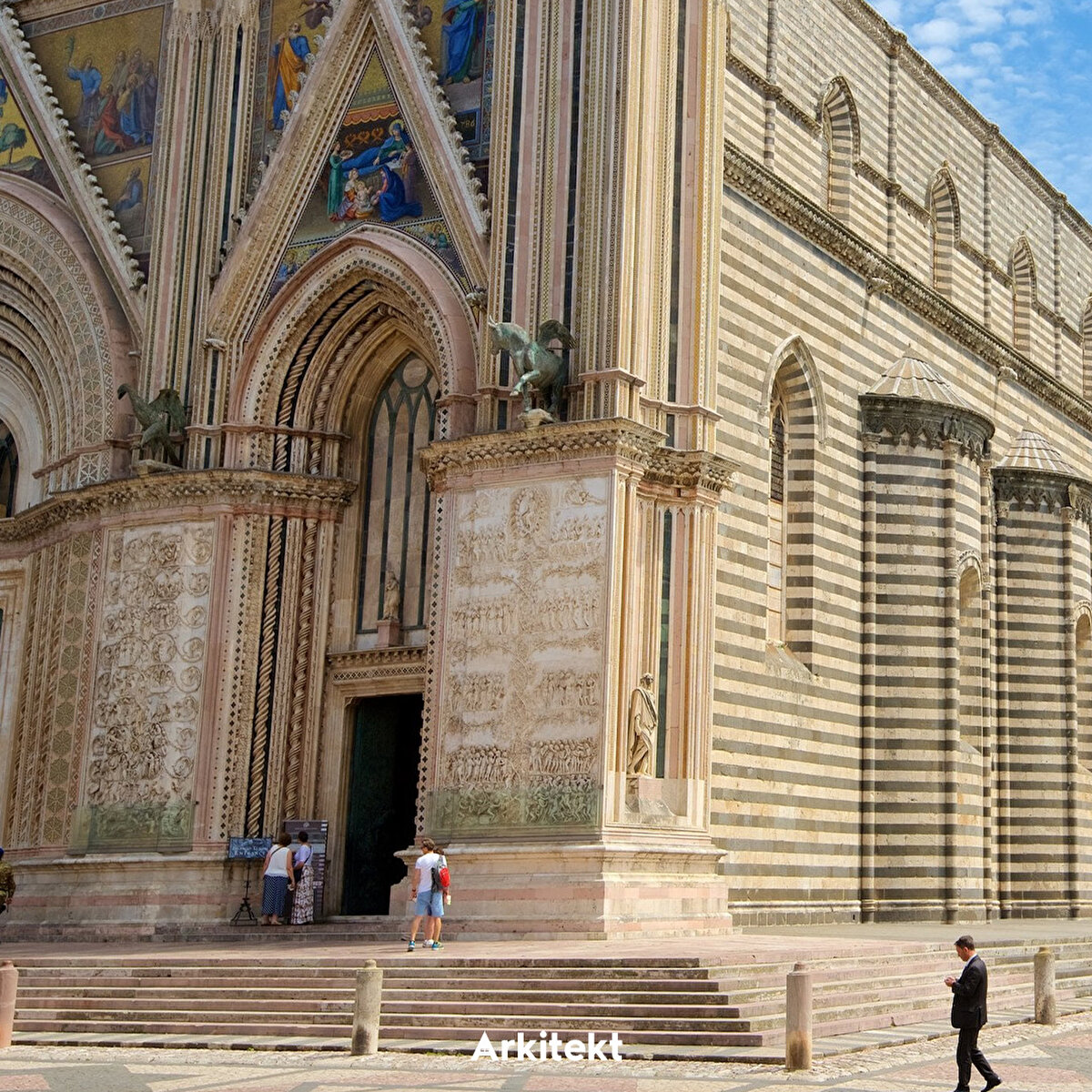
Umbria bölgesinin tepesinde yükselen Orvieto, tufal (volkanik tüf) kayalıklar üzerine kurulu konumu sayesinde hem doğal hem de yapay bir savunma sistemi oluşturuyor. Ortaçağ kent dokusu, dar taş sokakları, meydanları ve yer yer ortaya çıkan etrüsk izleriyle katmanlı bir tarihsel süreklilik sergiliyor. Gotik cepheleriyle dikkat çeken Orvieto Katedrali, renkli mermer şeritleri ve kabartma detaylarıyla kentin simgesini oluşturuyor.
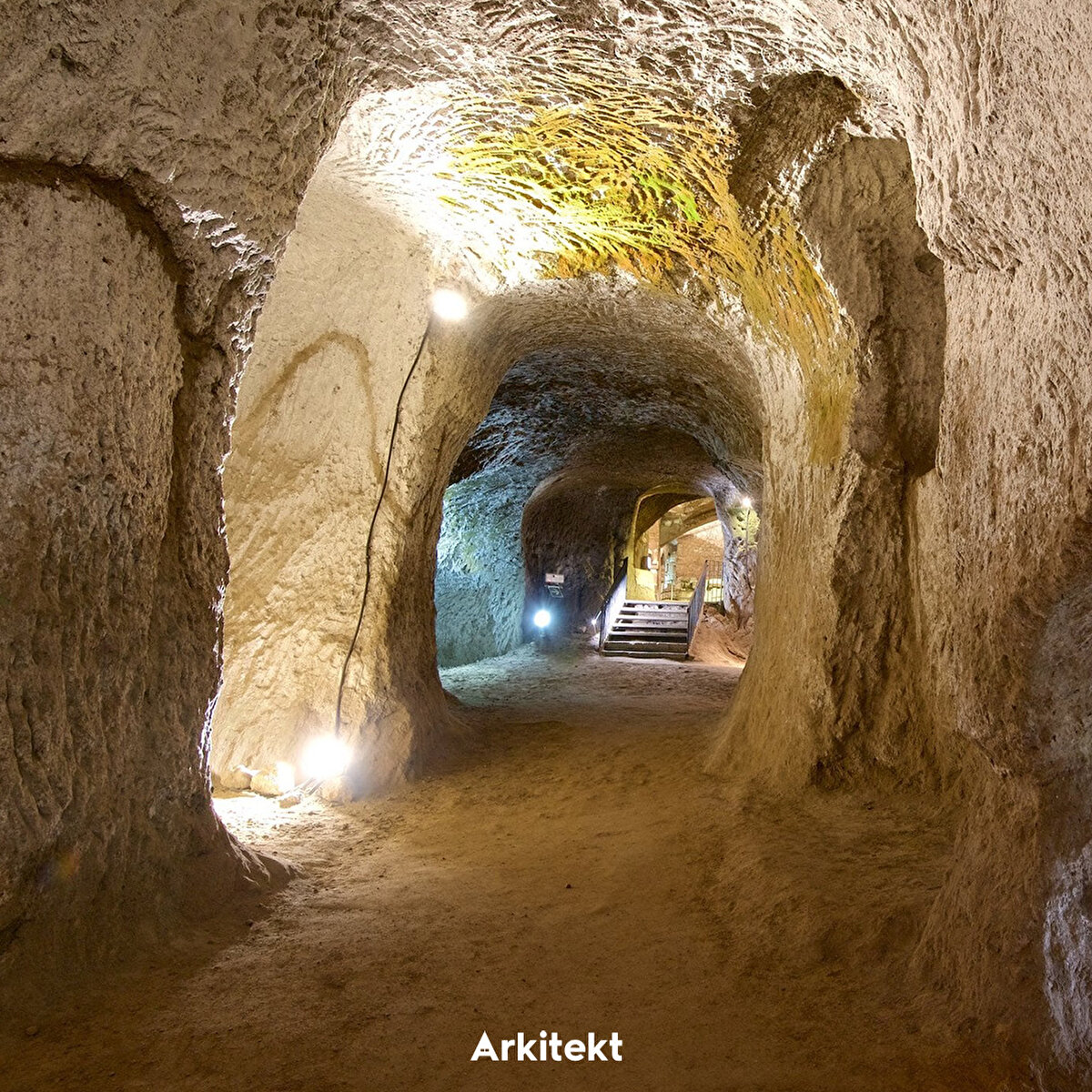
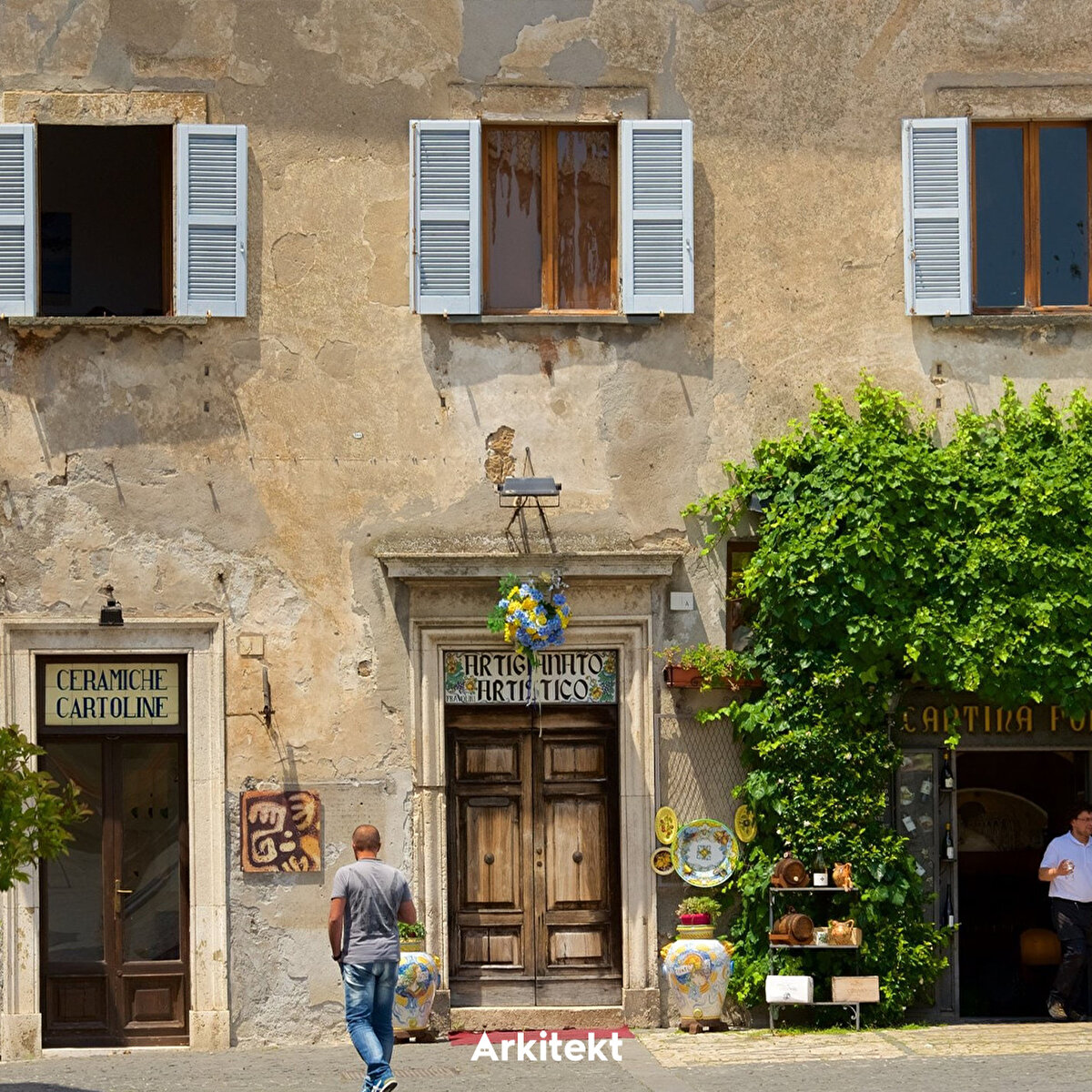
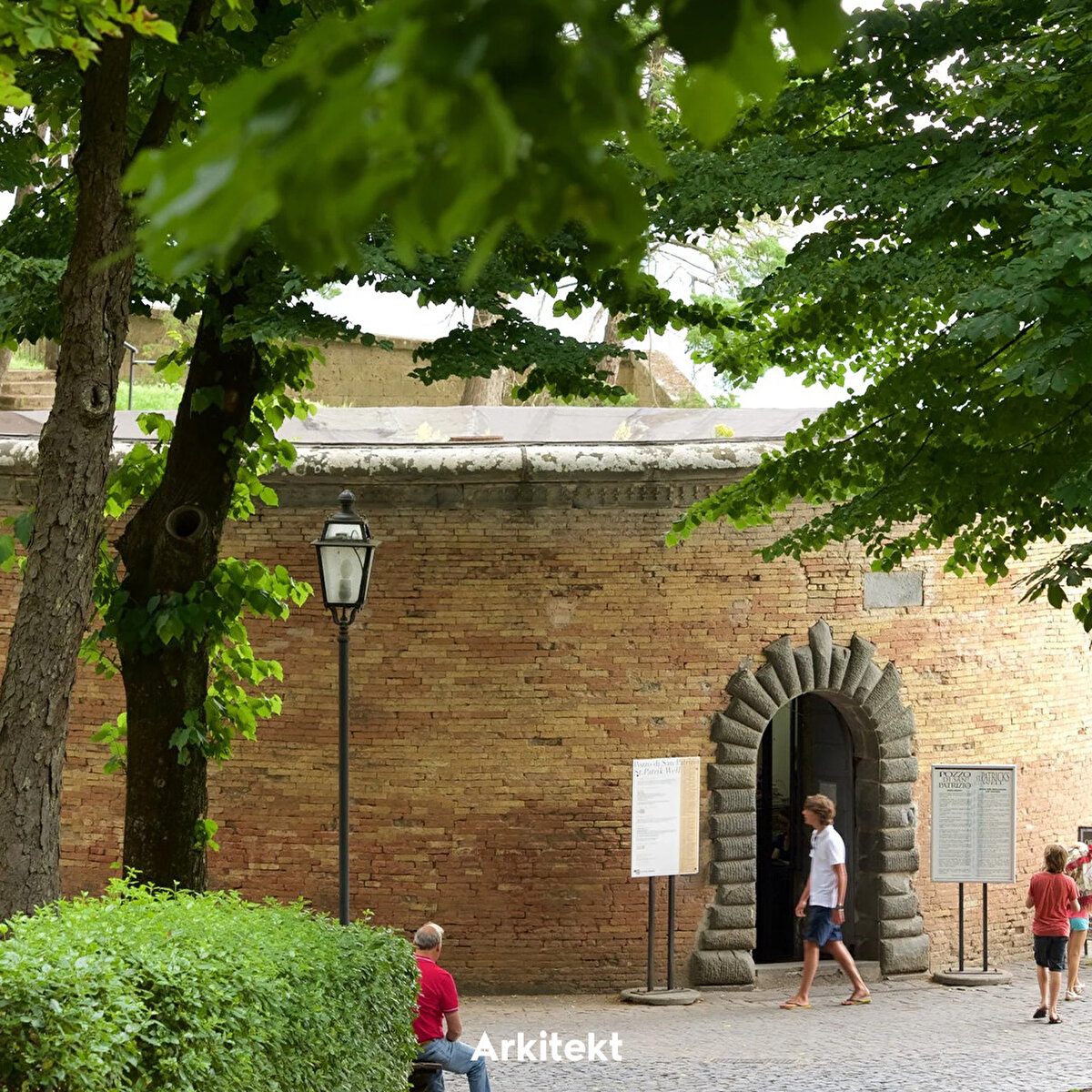
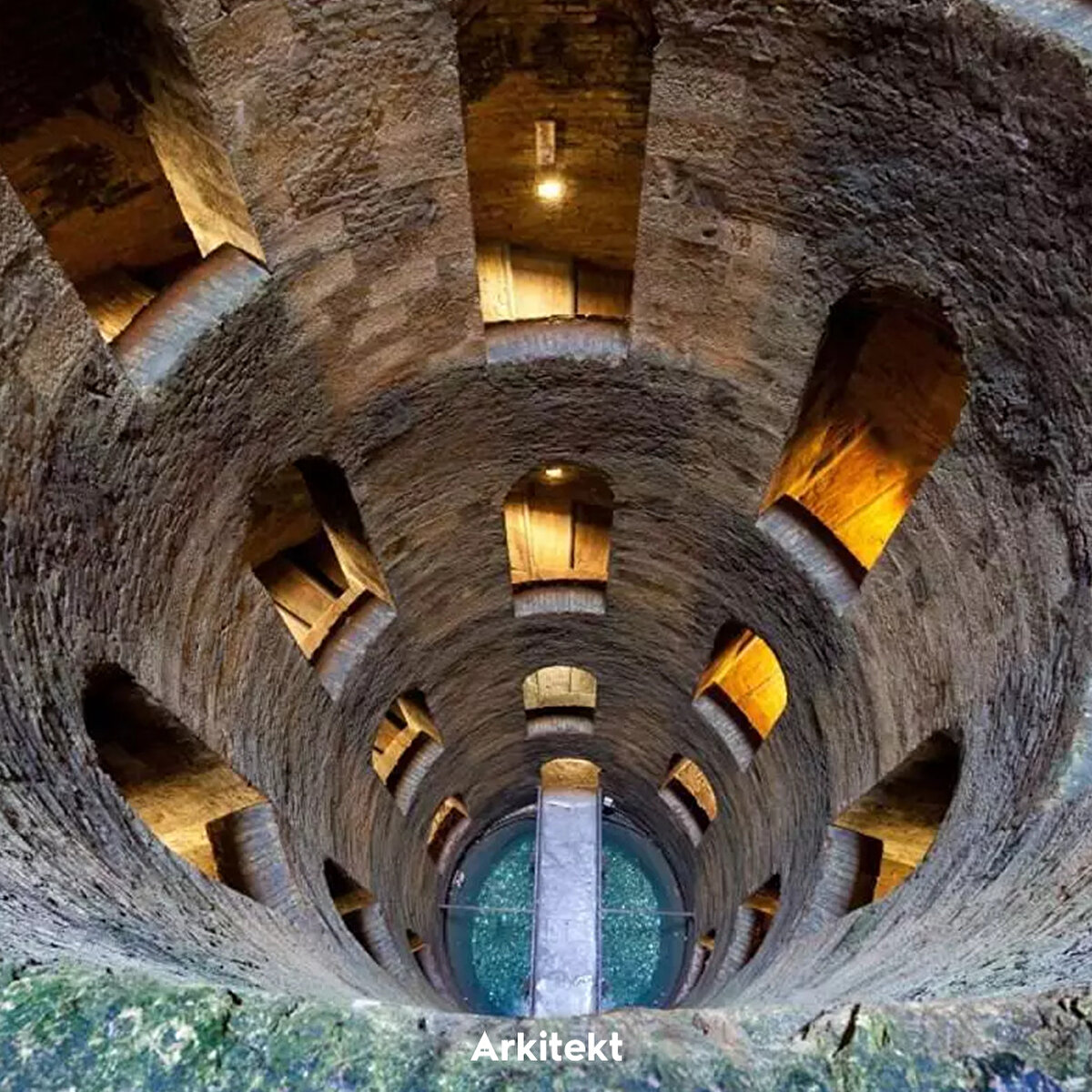
Şehir, taşın malzeme olarak birleştirici etkisiyle mimari bütünlüğünü koruyor; konutlar, kamusal yapılar ve dini yapılar bu homojen karakteri sürdürüyor. Yer altındaki geniş tünel sistemi, su kuyuları ve mahzenlerle kentin jeolojik yapısıyla kurduğu ilişkiyi görünür kılıyor. Orvieto, topografya ile mimarinin iç içe geçtiği, zamana dirençli bir mekânsal kimlik ortaya koyuyor.
__
Perched atop rocky cliffs, Orvieto preserves its timeless urban fabric.
Rising atop the Umbria region, Orvieto's location on tuff (volcanic tuff) cliffs provides both natural and artificial defences. The medieval urban fabric, with its narrow stone streets, squares and occasional Etruscan traces, displays a layered historical continuity. Orvieto Cathedral, notable for its Gothic facades, forms the symbol of the city with its colourful marble bands and relief details.
The city maintains its architectural integrity through the unifying effect of stone as a building material; residential, public and religious buildings all share this homogeneous character. The extensive underground tunnel system, water wells and cellars reveal the city's relationship with its geological structure. Orvieto presents a spatial identity that is resistant to time, where topography and architecture are intertwined.
1-10
2-10
3-10
4-10
5-10
6-10
7-10
8-10
9-10
10-10